

Electrical substation transformer is a key element of power transmission and distribution systems, responsible for converting voltage levels between different stages of the electrical network. It allows electricity generated at power plants to be delivered safely and efficiently to industrial, commercial, and residential consumers. By stepping voltage up or down as required, these transformers support the stability and continuity of the power grid.
Electrical substation transformers are designed to operate under heavy electrical and thermal loads for long periods. They are commonly installed in transmission and distribution substations where reliable voltage regulation is essential. With strong insulation systems and advanced cooling methods, these transformers ensure dependable performance even in demanding operating environments.
Electrical Transformer Substation
An electrical transformer substation integrates transformers with switchgear, protection devices, and control systems to manage power flow within the grid. Its main function is to receive electricity at one voltage level and redistribute it at another level suitable for transmission or end use. This structure plays a central role in voltage control, load balancing, and network protection.
Modern electrical transformer substations are designed with high-efficiency transformers that reduce energy losses and improve overall system performance. They may include step-up transformers for transmission substations or step-down transformers for distribution substations. With proper design and maintenance, transformer substations contribute to stable power supply, reduced operational risk, and long service life of electrical infrastructure.
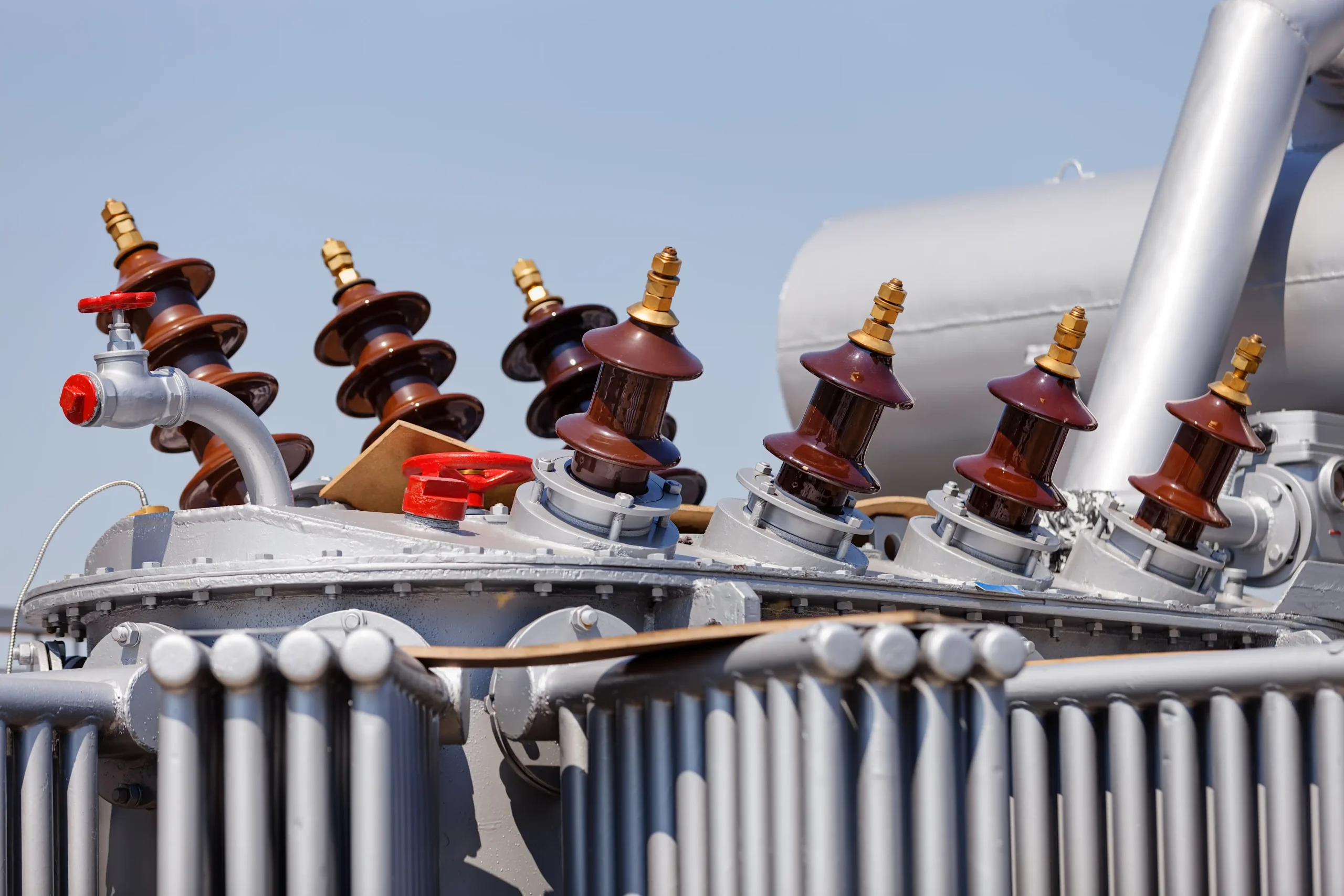
Electrical Substation Transformer Factory
An electrical substation transformer factory is responsible for the design, production, and testing of transformers used in substations. These factories manufacture transformers in accordance with international standards such as IEC and ANSI, ensuring that each unit meets strict safety and performance requirements. Precision winding processes, high-quality core materials, and advanced insulation systems are essential parts of production.
A professional electrical substation transformer factory also provides customization based on project specifications, including voltage ratings, power capacity, cooling systems, and enclosure designs. Each transformer undergoes comprehensive testing for efficiency, insulation strength, and thermal performance before delivery. Choosing a qualified factory ensures reliable equipment, consistent quality, and long-term operational efficiency for power distribution projects.
Applications of Electrical Substation Transformers
Electrical substation transformers are widely used in power transmission networks and distribution systems to ensure stable and efficient voltage conversion. They are essential in industrial zones, commercial areas, and urban infrastructure projects where large amounts of electrical energy must be managed safely. By adapting voltage levels to system requirements, these transformers help maintain grid reliability and prevent overload conditions.
In addition, electrical substation transformers are critical for renewable energy integration, such as solar and wind power plants, where generated electricity must be adjusted to match transmission or distribution voltages. Their role in load management, system protection, and continuous power supply makes them a core component of modern electrical networks.