
What is a step down transformer, is an electrical device designed to reduce high voltage levels to lower and safer values for end-user applications. It operates based on electromagnetic induction, transferring electrical energy between two circuits while changing the voltage according to the turn ratio of its windings. This type of transformer is widely used in power distribution systems to make electricity suitable for residential, commercial, and industrial use.
What is a step down transformer? Step down transformer play a critical role in electrical safety and efficiency. Power generated at power plants is transmitted at high voltages to minimize energy loss over long distances. Before electricity reaches homes or businesses, the voltage must be reduced to a usable level. This process ensures stable power delivery while protecting electrical equipment from damage caused by excessive voltage.
What Is the Purpose of a Step Down Transformer
The main purpose of a step down transformer is to reduce high voltage to lower voltage levels that can be safely used by electrical devices and systems. By stepping down voltage, these transformers help prevent overheating, insulation failure, and equipment damage. They are an essential component of modern electrical distribution networks, ensuring that power is delivered efficiently and securely.
Another important purpose of a step down transformer is to improve energy efficiency in transmission and distribution systems. High-voltage transmission minimizes current flow and reduces line losses, while step down transformers convert this power into a usable form at the point of consumption. This balance between transmission efficiency and usage safety is fundamental to reliable power system operation.
What Is a Step Down Transformer Used for
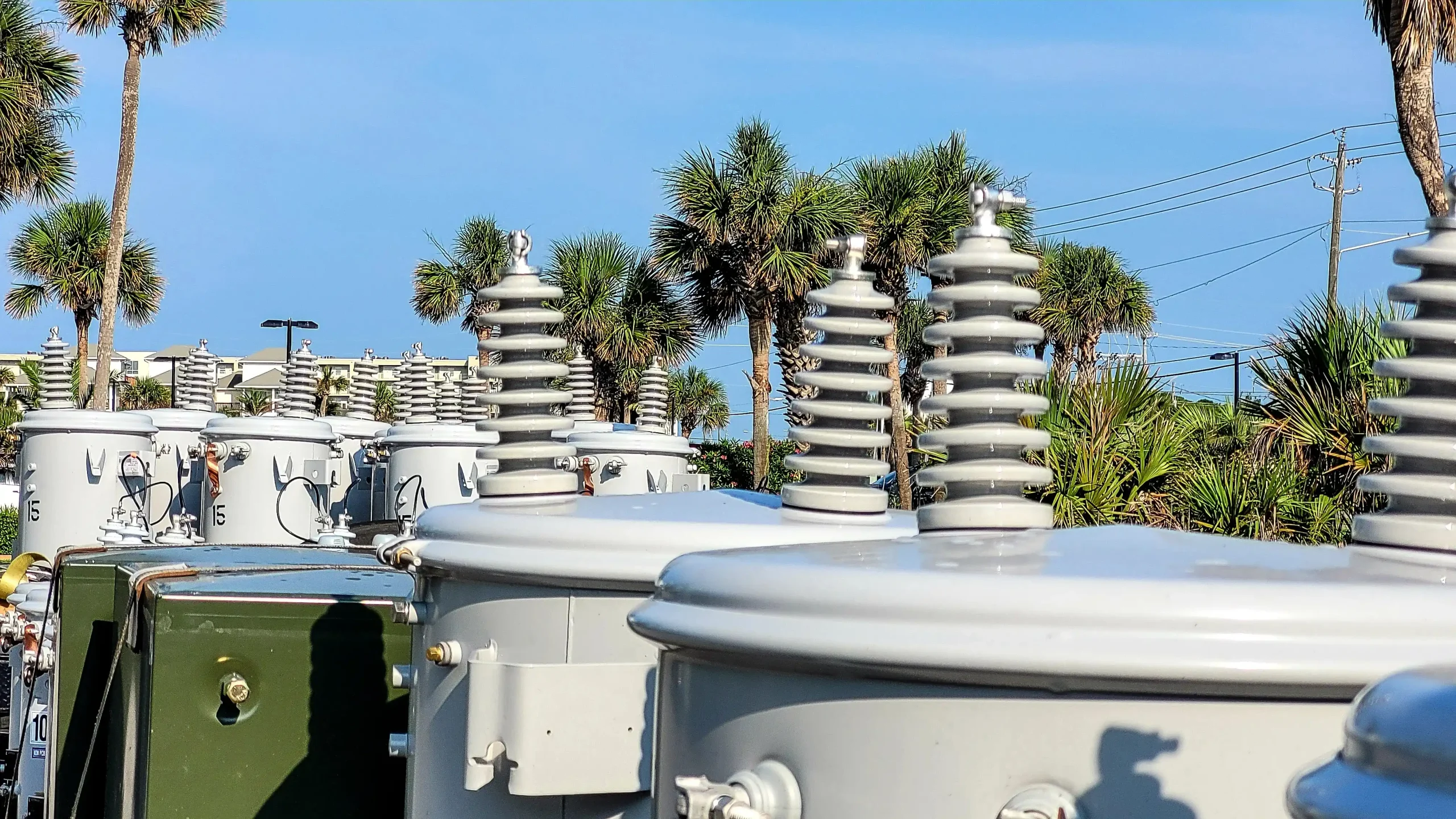
A step down transformer is commonly used in residential power supply systems to convert medium or high voltage electricity into standard household voltage levels. It is also used in commercial buildings, factories, and industrial facilities where machinery and electrical equipment require specific voltage ranges for proper operation.
In addition, step down transformers are widely applied in electronic devices, control panels, and power adapters where sensitive components need low and stable voltage input. They are also essential in renewable energy systems, such as solar and wind power installations, to match generated voltage with grid or load requirements. Thanks to their wide range of applications, step down transformers are a core element of both large-scale power networks and small-scale electrical systems.
Advantages of Step Down Transformers
Step down transformers provide several key advantages in modern power distribution systems. One of the most important benefits is voltage safety, as they reduce high transmission voltage to levels that can be safely used by homes, offices, and industrial equipment. This helps protect electrical devices, minimizes the risk of insulation damage, and lowers the chance of electrical accidents.
Another major advantage is energy efficiency. By allowing electricity to be transmitted at high voltage and then reduced near the point of use, step down transformers help decrease power losses during transmission. They also support stable voltage regulation, which is essential for sensitive electronics and industrial machinery. With their simple structure and reliable operating principle, step down transformers remain a fundamental component of power distribution networks and everyday electrical systems.