

Oil type transformer systems are engineered to deliver stable, efficient, and long-lasting power distribution across industrial, utility, and infrastructure projects. By using insulating mineral oil as both a cooling and dielectric medium, these transformers ensure effective heat dissipation, reduced electrical stress, and consistent operational performance even under demanding load conditions. Their robust construction makes them a preferred choice for medium and high-voltage applications.
Oil type transformer designs focus on durability, safety, and compliance with international standards. Carefully selected core materials, precision-wound coils, and high-quality transformer oil work together to enhance thermal efficiency and extend service life. In addition, design and production processes are optimized to meet project-specific requirements, ensuring reliable integration into diverse power distribution systems. This design approach supports continuous operation, minimizes energy losses, and provides dependable performance in outdoor and industrial environments.
Transformer Oil Type
Transformer oil is a critical component in oil-type transformer systems and performs numerous functions that directly affect electrical safety, thermal stability, and long-term operational reliability. This oil is typically a highly refined, mineral-based insulating fluid developed to maintain high dielectric strength, stable viscosity, and consistent thermal performance under varying load and temperature conditions.
Transformer oil types are evaluated and selected according to several key functional criteria:
- Electrical insulation capability: Transformer oil provides a dielectric barrier between energized components, reducing the risk of partial discharge, arcing, and internal failure.
- Thermal conductivity and cooling performance: The oil absorbs heat generated by the core and windings and transfers it to the transformer tank and cooling surfaces.
- Oxidation and moisture resistance: High-quality transformer oil limits the exposure of internal components to oxygen and moisture.
- Chemical and thermal stability: Transformer oil must maintain its properties under continuous electrical and thermal stress. Stable oil performance supports consistent transformer efficiency and reduces maintenance frequency.
- Compliance with international standards: Transformer oil types are selected in accordance with widely accepted electrical and safety standards, ensuring suitability for a variety of industrial, utility, and infrastructure applications.
In addition to initial oil selection, ongoing oil testing and condition monitoring play a crucial role in maintaining transformer performance.
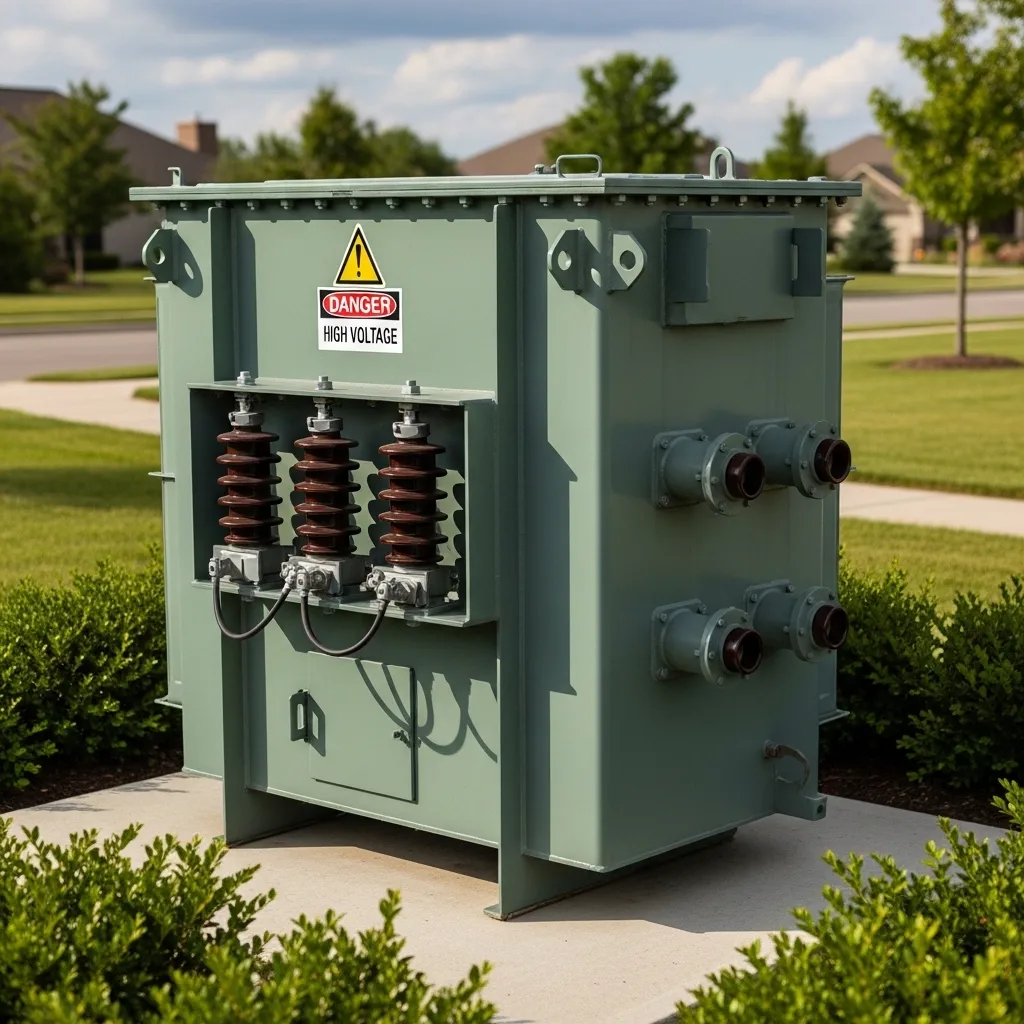
Oil Filled Transformer vs Dry Type
The comparison between oil-filled transformers and dry-type transformers is primarily shaped by differences in cooling method, insulation system, installation environment, and operational capacity. Oil-filled transformers use insulating oil to cool and electrically isolate internal components, whereas dry-type transformers rely on air circulation and solid insulation materials such as resin or epoxy.
Oil-filled transformers generally offer superior thermal performance. The insulating oil efficiently removes heat from the core and windings, enabling higher power ratings and better overload tolerance. This makes oil-filled transformers well suited for outdoor substations, industrial plants, power generation facilities, and utility networks where high capacity and continuous operation are required.
Dry-type transformers, in contrast, are often preferred for indoor installations where fire safety, ventilation limitations, or environmental concerns are critical. Since they do not contain liquid insulation, they eliminate the risk of oil leakage and reduce fire-related hazards.
Maintenance requirements also differ between the two types. Oil-filled transformers require periodic oil analysis and condition monitoring to ensure insulation integrity and cooling performance. Dry-type transformers generally involve simpler maintenance routines, mainly visual inspections and cleaning. While dry-type units may have higher initial costs for comparable ratings, oil-filled transformers often provide better long-term efficiency and durability for large-scale power distribution projects.