

Substation transformers are critical components of modern electrical power systems, designed to regulate and transfer electrical energy between transmission and distribution networks. Installed within electrical substations, these transformers adjust voltage levels to ensure efficient power transmission over long distances and safe distribution to industrial facilities, commercial centers, and urban infrastructure. By stepping voltage levels up or down, they enable electricity generated at power plants to move reliably through high-voltage transmission lines and eventually reach end users in a controlled and stable form.
Substation transformers are typically engineered for high-capacity applications and can operate at voltage levels ranging from tens to hundreds of kilovolts, depending on grid requirements. Built with robust insulation systems, advanced cooling methods, and durable steel tanks, these transformers are designed for continuous operation in demanding environments. They are often integrated with protection devices, monitoring instruments, and switchgear equipment to ensure operational safety, grid stability, and long-term reliability within utility-scale energy infrastructure. In large-scale power networks, these transformers play a key role in maintaining voltage stability and supporting uninterrupted electricity supply across regional transmission systems.
Transformers Substation
Transformers used in substations play a vital role in managing voltage levels within electrical power networks. These units are designed to either step up or step down voltage so electricity can be transmitted efficiently over long distances and distributed safely to end users. Because substations serve as key connection points between generation, transmission, and distribution systems, the transformers installed in these facilities must be engineered for high reliability and long-term operation.
In modern power infrastructure, substation transformers are designed to operate continuously under heavy electrical loads while maintaining stable performance. Their design typically includes advanced insulation systems, high-efficiency magnetic cores, and durable cooling structures that allow the equipment to function safely in demanding environmental conditions.
Key characteristics of transformers used in substations include:
- High power capacity suitable for transmission and grid-level applications
- Robust insulation systems designed for high-voltage environments
- Efficient cooling methods such as oil-based or forced-air cooling
- Long operational lifespan with minimal maintenance requirements
- Compatibility with monitoring and protection equipment used in substations
These features allow substation transformers to support reliable energy transfer while maintaining overall grid stability.
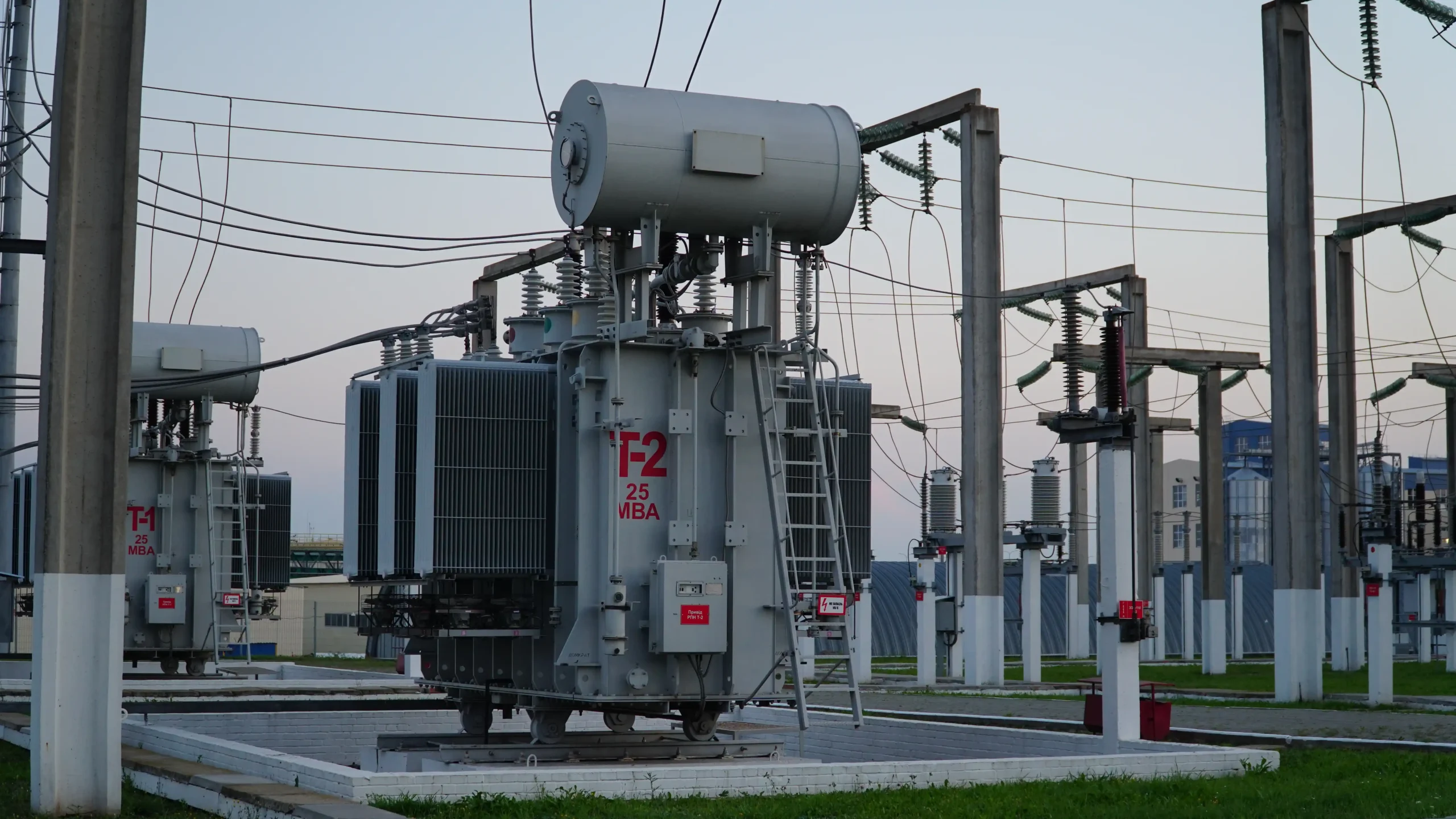
Electrical Substation Transformers
Transformers used in electrical substations are specialized power transformers designed for installation in transmission or distribution substations. Their primary function is to regulate voltage between different voltage levels of the electrical grid, ensuring the efficient transfer of electricity from generation facilities to distribution networks.
These transformers are typically manufactured for large-scale power processing and must adhere to stringent engineering and safety standards. High-quality core materials, reinforced windings, and advanced cooling systems help maintain performance even under consistently high load conditions. Because substations often operate in outdoor or industrial environments, transformers used in electrical substations are also designed with protective tank structures and corrosion-resistant components.
In addition to voltage regulation, transformers used in electrical substations support the overall reliability of the grid by stabilizing voltage fluctuations and ensuring the safe integration of various energy sources. Their designs and configurations can vary depending on the substation type, system capacity, and the specific requirements of the transmission or distribution network.
Modern electrical substations are also equipped with monitoring and protection systems that help operators monitor temperature levels, oil conditions, and electrical performance in real time. Transformers in electrical substations contribute not only to efficient voltage conversion but also to the long-term stability and reliability of large-scale energy systems.
For detailed specifications and project-based solutions, you can explore the substation transformer products offered by TEK Transformator.