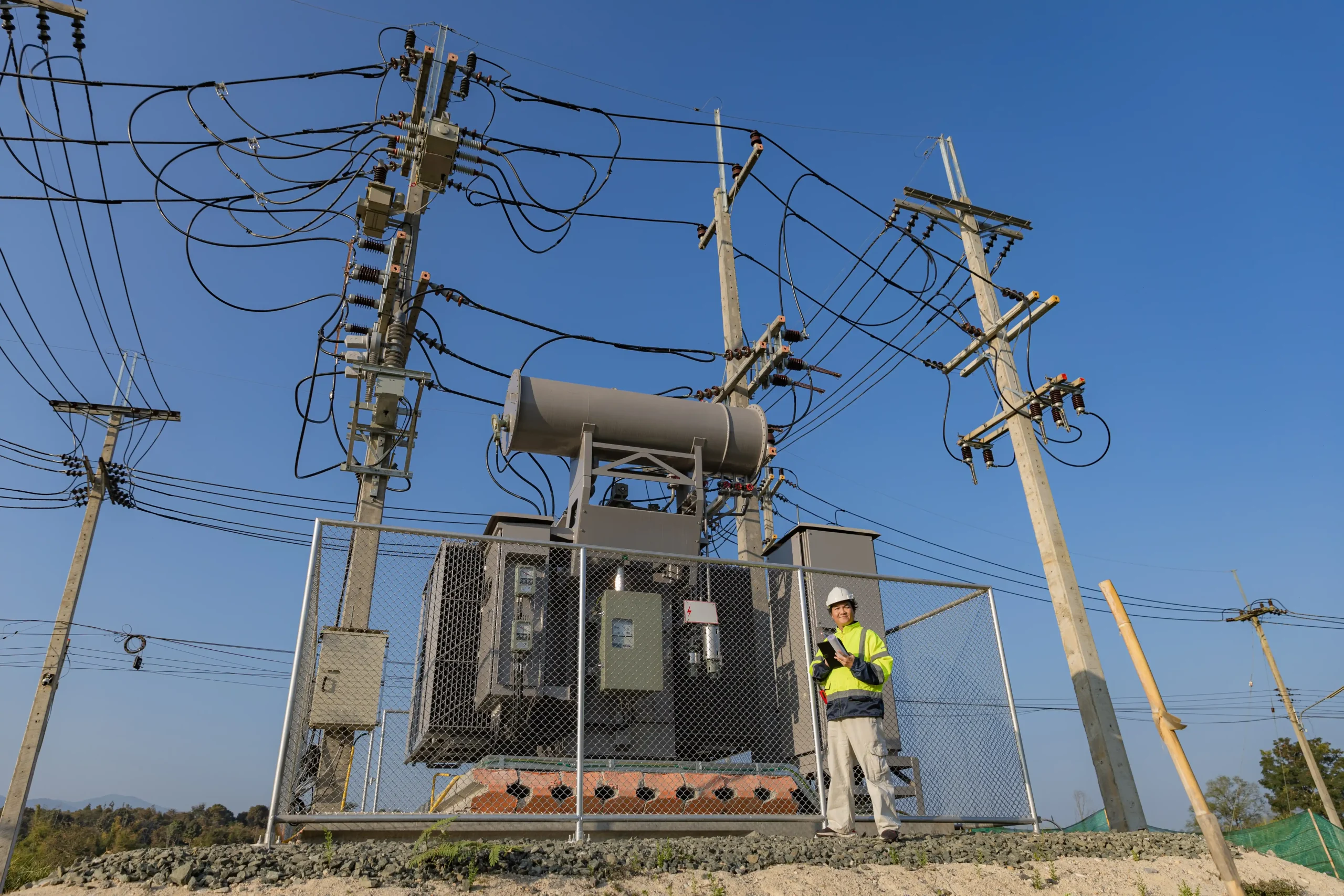

High voltage transformer systems are essential components in modern electrical infrastructure, enabling the efficient transmission and distribution of electricity across long distances. By increasing or decreasing voltage levels in power networks, these transformers help minimize energy losses and maintain stable power delivery between generation facilities, substations, and industrial consumers. High-voltage transformers are widely used in utility grids, renewable energy plants, and large-scale industrial operations where reliable power management is critical for continuous performance.
High voltage transformer technologies are designed to operate under demanding electrical conditions while ensuring safety, durability, and operational efficiency. These systems typically incorporate advanced insulation structures, high-quality core materials, and precision engineering to withstand high electrical stresses and environmental factors. In large energy projects and grid infrastructure developments, manufacturers with strong engineering expertise and international production standards play an important role in delivering dependable transformer solutions for modern power networks.
High Voltage Current Transformer
High-voltage current transformer systems are critical components used to safely measure and monitor high current levels in electrical networks. These transformers are designed to convert large currents flowing through transmission or distribution lines into smaller, standardized values that can be processed by protection relays, meters, and monitoring equipment. Current transformers help ensure both operational safety and accurate electrical data collection by isolating measurement instruments from high-voltage circuits.
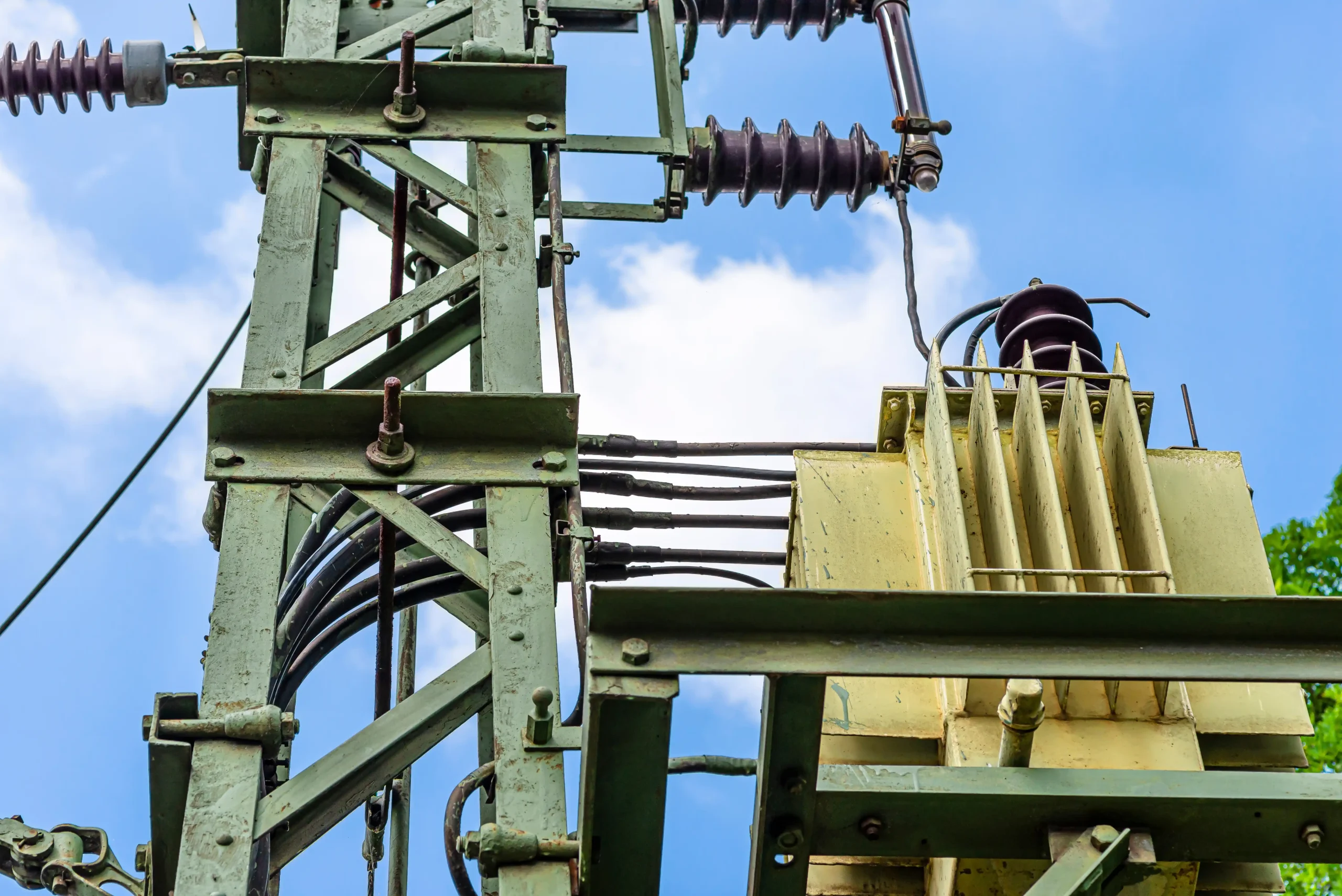
In power substations and industrial energy systems, high-voltage current transformers play an essential role in maintaining the reliability of electrical infrastructure. They allow engineers and protection systems to continuously observe the behavior of electrical currents in transmission lines, generators, and transformer stations. This information is used to detect abnormal conditions such as overloads, short circuits, or system faults before they can cause serious damage to equipment or disrupt the power supply.
The main functions of high-voltage current transformers include:
- Converting high electrical currents into measurable low current signals
- Providing accurate current measurements for protection and metering systems
- Supporting grid monitoring and fault detection processes
- Ensuring electrical isolation between high-voltage circuits and monitoring devices
- Contributing to the safe operation of power transmission infrastructure
In modern power systems, high-voltage current transformers are designed with high insulation levels, durable materials, and precise engineering standards to maintain reliable performance under demanding electrical conditions.
High Voltage Isolation Transformer
High-voltage isolation transformer solutions are widely used in electrical systems where electrical separation between circuits is required for safety, stability, and equipment protection. These transformers transfer electrical energy from one circuit to another through electromagnetic induction while keeping the input and output circuits electrically isolated. This isolation helps prevent unwanted current flow, reduces electrical noise, and protects sensitive equipment from voltage disturbances.
In high-voltage applications, isolation transformers are particularly valuable in industrial facilities, substations, renewable energy installations, and specialized power systems. They help stabilize electrical performance while reducing the risk of equipment damage caused by voltage spikes, grounding issues, or electrical interference. Because of their ability to provide both voltage transformation and electrical separation, they are commonly used in systems where safety and power quality are critical.
High-voltage isolation transformers offer several important advantages:
- Providing electrical isolation between different power circuits
- Protecting sensitive equipment from voltage fluctuations and electrical noise
- Improving power quality and system stability
- Enhancing operational safety in high-voltage environments
- Supporting reliable operation in industrial and energy infrastructure
For complex electrical networks and high-power installations, properly designed high-voltage isolation transformers contribute significantly to the long-term efficiency, safety, and reliability of modern power systems.
For advanced high-voltage transformer solutions and detailed technical information, you can review the transformer products offered by Tek Transformatör.