

What is a transformer? A transformer is an electrical device that transfers energy between circuits through electromagnetic induction. It changes voltage and current levels without altering frequency, supporting efficient electricity transmission and distribution. Transformers are widely used in power grids, industrial facilities, commercial buildings and renewable energy systems.
What is a transformer? It is a key component used to increase voltage for efficient transmission or reduce it for distribution and end use. The appropriate transformer design depends on power capacity, voltage ratio, load characteristics, installation environment and applicable technical standards.
What is a Transformer in Electricity?
A transformer is an electrical device that transfers energy between two or more circuits through electromagnetic induction. To understand how transformers work, it is necessary to examine the relationship between windings, the core and alternating current. When an AC supply reaches the primary winding, the input voltage creates a changing magnetic field around the conductor.
This changing field produces magnetic flux within the transformer core. The core forms a controlled magnetic circuit that directs the flux toward the secondary winding. As the flux passes through this winding, it induces voltage and supplies energy to the connected electric circuit. The frequency generally remains unchanged during this process.
A transformer can increase or decrease voltage according to the ratio between the primary and secondary winding turns:
- Step-up designs produce a higher secondary voltage and a lower current.
- Step down transformers reduce the supplied voltage to a level suitable for distribution or equipment use.
- Isolation transformers may maintain a similar voltage while providing electrical separation between circuits.
Transformer selection depends on the required power rating, voltage ratio, load profile, installation conditions and applicable standards. Core material, winding configuration, insulation system and cooling method also influence efficiency and operational reliability. In power grids, renewable energy plants and industrial facilities, properly engineered transformers support controlled voltage conversion and reliable energy transfer.
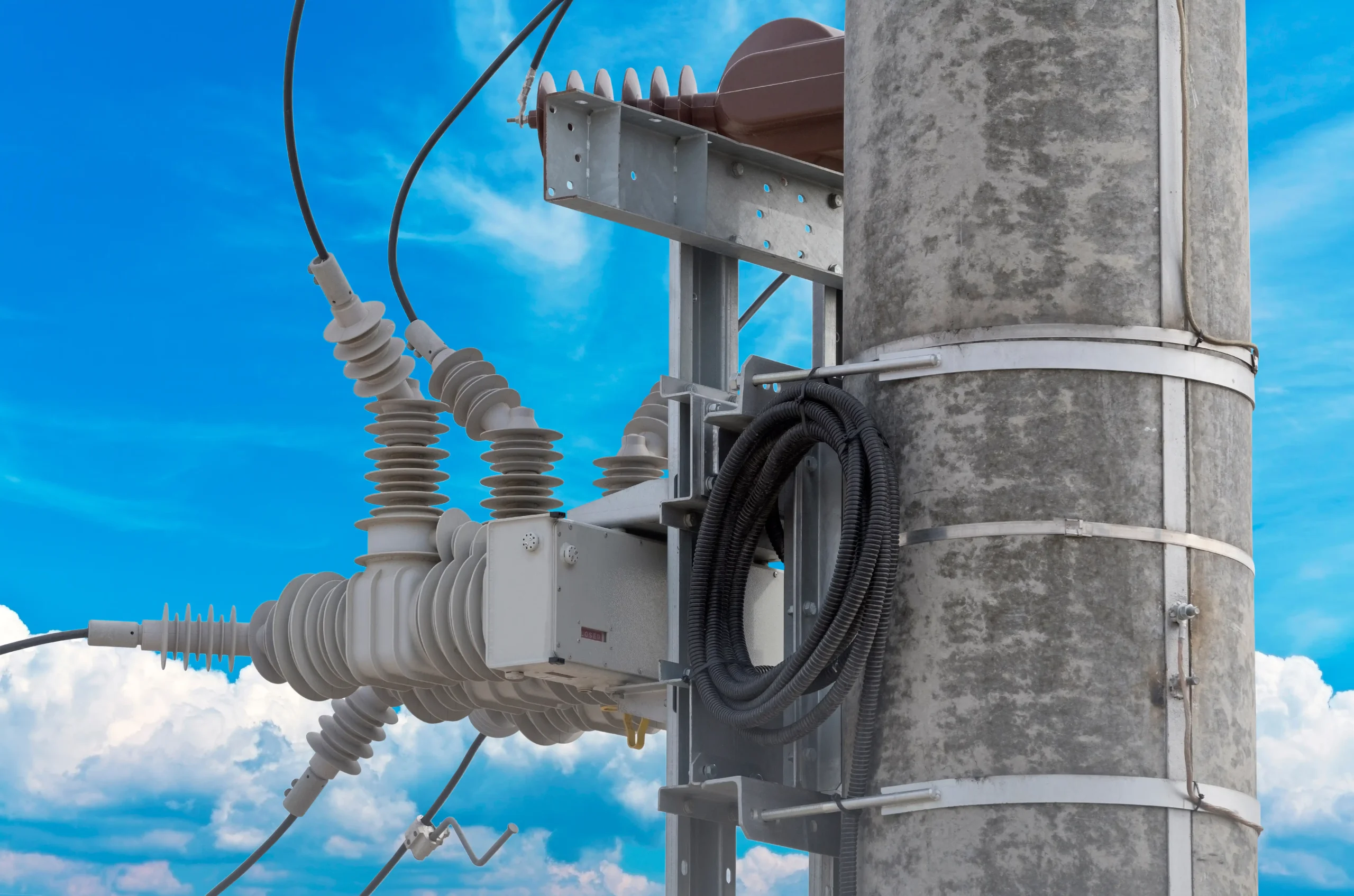
What is the Purpose of a Transformer?
A transformer is an electrical device designed to transfer electrical energy between circuits while adjusting voltage and current levels. This process is based on electromagnetic induction, which allows energy to be transferred between the windings in conventional two-winding transformers. Transformers are essential for supplying electricity efficiently and safely across power networks.
Electricity is raised to high voltage levels for transmission over long distances. Increasing voltage reduces current and limits energy losses in transmission lines. Near the point of consumption, transformers reduce the voltage to levels suitable for industrial equipment, commercial facilities and local distribution systems.
The operating principle depends on the relationship between the primary and secondary windings. These windings consist of insulated coils of wire placed around a magnetic core. The number of turns in each winding determines whether the resulting secondary voltage will be higher or lower than the supplied voltage.
Different types of transformers serve specific network and application requirements. Step-up models raise voltage, while step-down models reduce it. Isolation transformers separate circuits, and single-phase units are commonly used for lower-capacity distribution applications. In isolation applications, transformers protect sensitive loads by providing galvanic separation from the supply circuit.
Contact TEK Transformatör to explore a project-specific transformer solution tailored to your voltage, capacity and application requirements.