

Transformer sizing is the process of determining the appropriate transformer capacity for an electrical system based on connected load, demand, voltage level, phase configuration, and expected operating conditions. Correct sizing helps the transformer carry the required load without excessive heating, unnecessary losses, or avoidable capacity limitations.
Transformer sizing also requires consideration of future load growth, motor starting currents, power factor, harmonic content, ambient temperature, and installation conditions. A transformer that is undersized may operate under thermal stress, while an oversized unit can increase initial cost and reduce efficiency at lighter loads. For this reason, sizing decisions should balance present demand, operational reliability, and reasonable capacity for future expansion.
How to Size a Transformer?
Knowing how to size a transformer starts with calculating the electrical load the transformer must supply under normal operating conditions. The required capacity is generally expressed in kilovolt-amperes (kVA), so voltage, current, phase configuration, power factor, and load characteristics should be evaluated together rather than relying only on connected equipment ratings.
A practical transformer sizing process usually includes the following steps:
- Determine the connected load: Calculate the total electrical demand of the equipment that will be supplied by the transformer.
- Identify the system type: Confirm whether the installation is single-phase or three-phase.
- Calculate the required kVA: Use the appropriate formula according to the phase configuration.
- Consider load characteristics: Motor starting current, nonlinear loads, harmonics, and intermittent equipment can affect the required capacity.
- Allow for future expansion: Additional capacity may be considered when load growth is expected.
- Select the nearest standard rating: Choose a transformer size that can support the calculated demand without unnecessary oversizing.
Single-phase:
kVA = (Voltage × Current) / 1,000
Three-phase:
kVA = (Voltage × Current × √3) / 1,000
The final transformer rating should also account for installation conditions, ambient temperature, duty cycle, and applicable electrical standards.
The calculated kVA is a starting point. Final sizing should also consider voltage, load characteristics, installation conditions, and standard ratings.
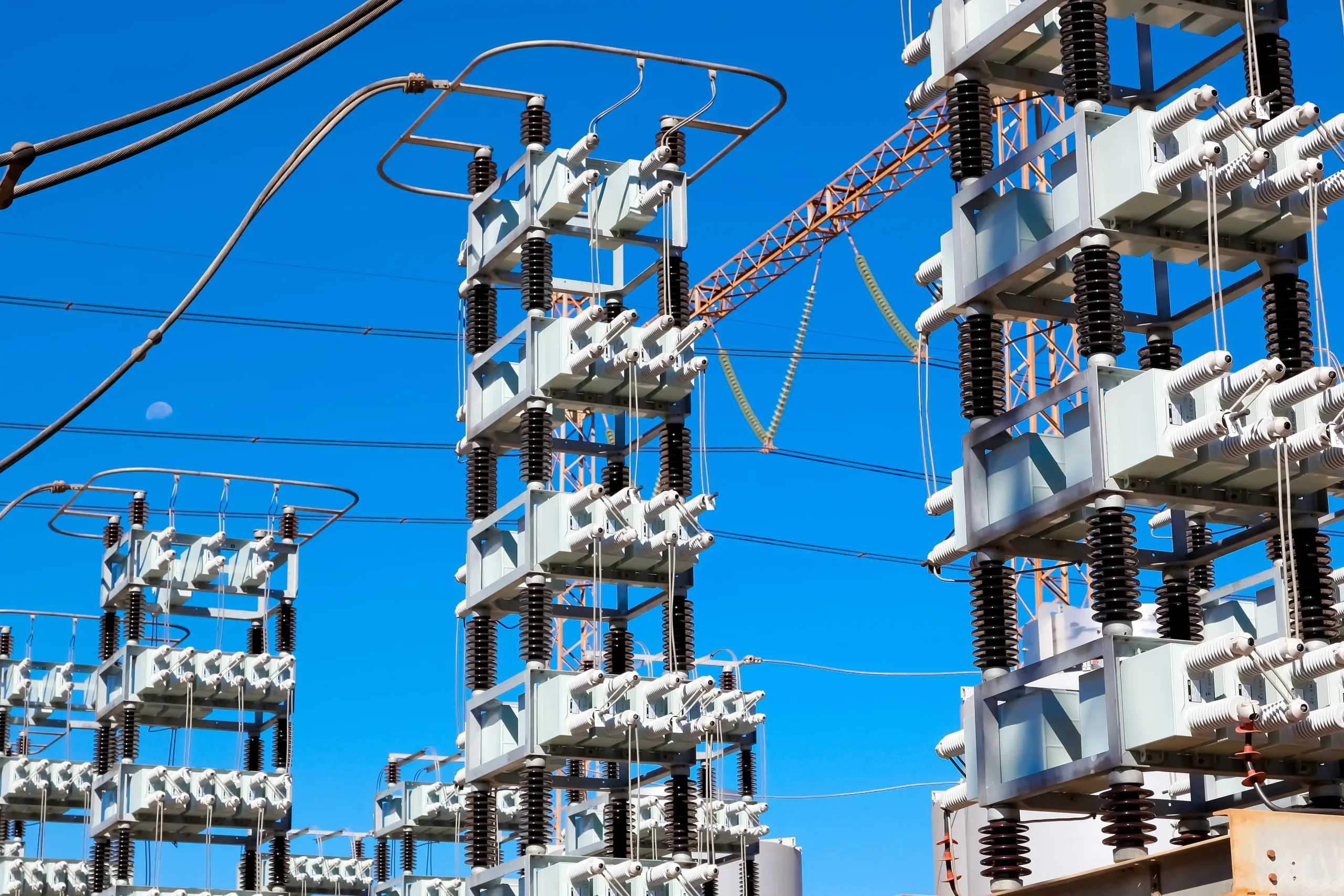
Transformer Sizing Chart
A transformer sizing chart provides a quick reference for comparing transformer capacity with voltage, phase configuration, and full-load current. It can help narrow down a suitable kVA range after the system load has been calculated. Because actual requirements depend on load characteristics and operating conditions, the chart should be used as a preliminary sizing reference rather than as the sole basis for transformer selection.
| Transformer Size | 240 V Single-Phase | 400 V Three-Phase | 480 V Three-Phase |
|---|---|---|---|
| 25 kVA | 104 A | 36 A | 30 A |
| 50 kVA | 208 A | 72 A | 60 A |
| 75 kVA | 313 A | 108 A | 90 A |
| 100 kVA | 417 A | 144 A | 120 A |
| 160 kVA | 667 A | 231 A | 192 A |
| 250 kVA | 1,042 A | 361 A | 301 A |
The values represent approximate full-load currents and are rounded for easier comparison. Transformer selection should also consider motor starting loads, harmonics, future capacity requirements, ambient conditions, and applicable electrical standards. The next available standard rating above the calculated requirement is generally evaluated to provide sufficient operating capacity.
What Size Transformer Do I Need?
Determining what size transformer do I need depends on the actual electrical demand of the equipment being supplied rather than on voltage alone. The required transformer capacity should be high enough to support normal operating load, temporary demand increases, and expected future requirements without creating unnecessary excess capacity.
Before selecting a transformer size, consider the following factors:
- Total connected load: Identify the combined electrical demand of all equipment connected to the transformer.
- Maximum simultaneous demand: Determine how much of the connected equipment is expected to operate at the same time.
- Single-phase or three-phase system: Phase configuration affects both the calculation method and available transformer options.
- Load type: Motors, compressors, and other equipment with high starting currents may require additional capacity.
- Future expansion: Planned equipment additions can justify selecting a rating above the present requirement.
- Operating environment: Ambient temperature, ventilation, altitude, and installation location can influence transformer performance.
- Standard kVA ratings: Once the required capacity is calculated, the next suitable standard transformer size can be evaluated.
For example, if the calculated demand is close to the maximum capacity of a standard rating, selecting the next appropriate size may provide better operating flexibility. Final sizing should balance load demand, system conditions, and reasonable capacity for future growth.
How to Calculate Transformer Size
Knowing how to calculate transformer size requires converting the electrical load into the kVA capacity the transformer must support. The calculation depends mainly on system voltage, current, and whether the installation is single-phase or three-phase.
Use the following formulas:
- Single-phase:
kVA = (Voltage × Current) / 1,000 - Three-phase:
kVA = (Voltage × Current × √3) / 1,000
A simple calculation process includes:
- Identify the system voltage.
- Determine the expected full-load current.
- Confirm whether the system is single-phase or three-phase.
- Apply the appropriate kVA formula.
- Compare the calculated result with available standard transformer ratings.
- Consider starting currents, harmonics,
For example, a three-phase system operating at 400 V and 100 A requires approximately:
400 × 100 × 1.732 / 1,000 = 69.3 kVA
In this case, a transformer rating above the calculated 69.3 kVA requirement would normally be evaluated based on the actual load profile and available standard sizes.
Explore TEK Transformatör solutions designed for different voltage, capacity, and application requirements to find the right option for your electrical system.