

Distribution transformer is a critical component of modern electrical power systems, designed to provide the final voltage transformation before electricity reaches end users. It reduces medium-level voltage from distribution lines—often in the range of several kilovolts—to lower voltages suitable for residential, commercial, or light industrial consumption. By performing this step-down function, distribution transformers ensure that electrical energy can be delivered safely and efficiently to homes, businesses, and infrastructure facilities.
Distribution transformer units are typically installed close to the point of consumption, such as on utility poles, ground-mounted pads, or within local substations. Their design focuses on continuous operation, energy efficiency, and stable voltage regulation because they remain energized around the clock while serving fluctuating loads. In power distribution networks, these transformers play a crucial role in bridging the gap between high-voltage transmission systems and everyday electrical equipment used by consumers.
Power Distribution Transformer
A power distribution transformer is a key element within electrical distribution networks, responsible for adjusting voltage levels so electricity can be delivered safely and efficiently to end users. After electrical energy travels through high-voltage transmission lines and regional substations, distribution transformers reduce the voltage to levels suitable for residential, commercial, and light industrial applications. This transformation process allows electricity to be used by everyday devices and systems without causing damage or safety risks.
These transformers are typically installed close to the point of consumption, such as in neighborhood substations, on utility poles, or in ground-mounted enclosures. Their design emphasizes reliability and energy efficiency because they operate continuously and must handle changing load demands throughout the day. Stable voltage regulation and minimal energy loss are important characteristics in modern distribution networks.
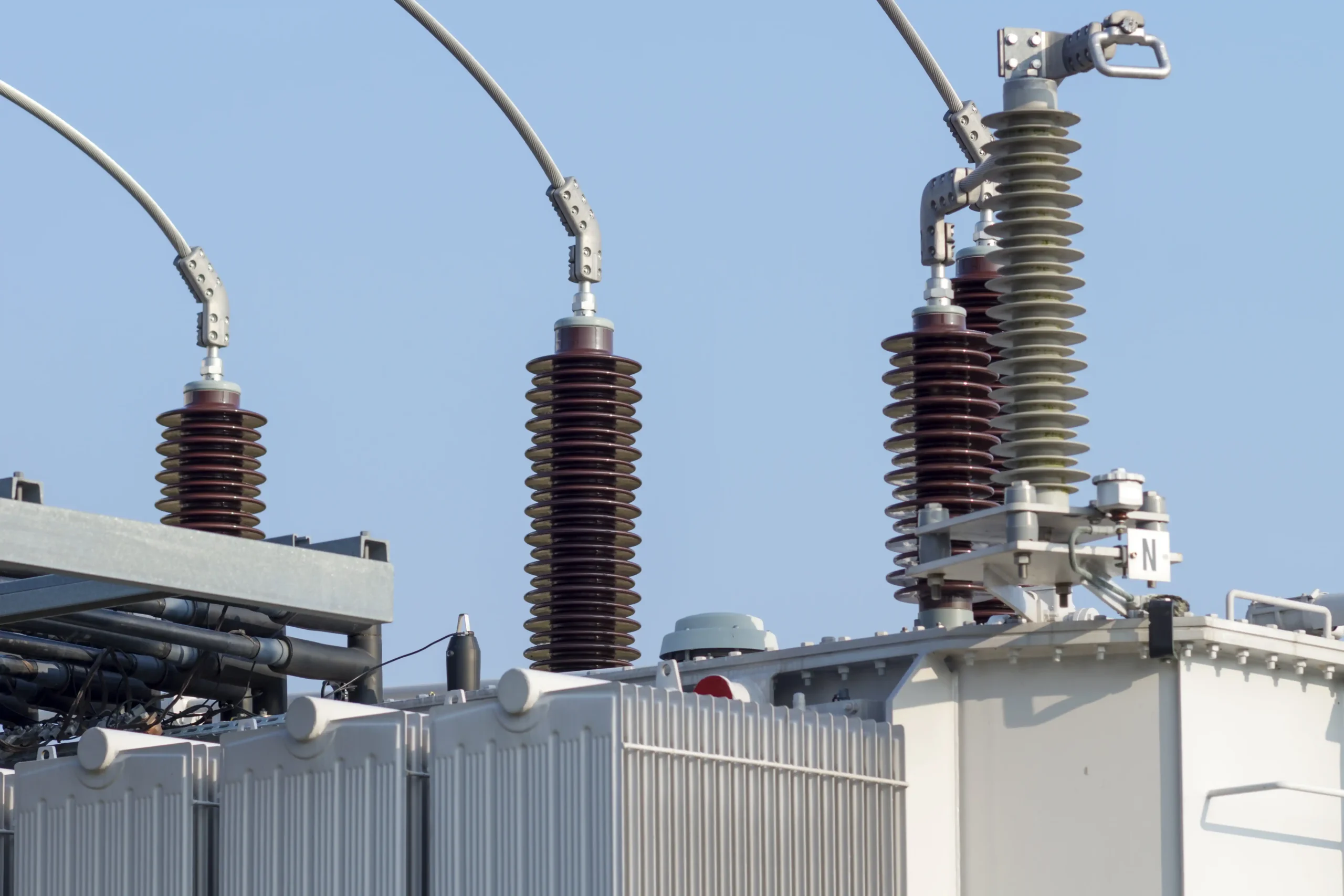
A power distribution transformer generally provides several operational advantages:
- It reduces medium voltage to usable low-voltage levels for end users.
- It supports stable electricity supply in residential and commercial areas.
- It helps maintain voltage balance within the local distribution network.
- It improves overall efficiency by minimizing transmission losses near the consumption point.
- It enables safe integration of electrical equipment and infrastructure.
Because of these functions, power distribution transformers are considered essential components in modern energy systems, helping utilities deliver consistent and reliable electrical power to communities and industries.
Electrical Distribution Transformer
An electrical distribution transformer plays a central role in the final stage of electrical power delivery. Once electricity has been transmitted across long distances through high-voltage transmission systems, it must be converted to lower voltage levels suitable for everyday use. Electrical distribution transformers perform this task by stepping down the voltage and making it compatible with the electrical infrastructure used in homes, offices, and industrial facilities.
These transformers are engineered for continuous operation and stable performance under varying load conditions. Unlike some other transformer types that operate at maximum efficiency during peak loads, electrical distribution transformers are optimized for efficiency across a wide range of operating conditions. This ensures that energy losses remain low even when electricity demand fluctuates throughout the day.
Electrical distribution transformers are often found in urban neighborhoods, industrial zones, and commercial districts where electricity demand is distributed among many users. Their design may vary depending on installation requirements, including pole-mounted units for overhead distribution lines or pad-mounted transformers for underground distribution systems.
Modern electrical distribution transformers are developed with advanced insulation systems, improved cooling methods, and efficient core materials. These design improvements help reduce energy losses, increase operational reliability, and support the long-term stability of electrical distribution networks.
What is a Distribution Transformer
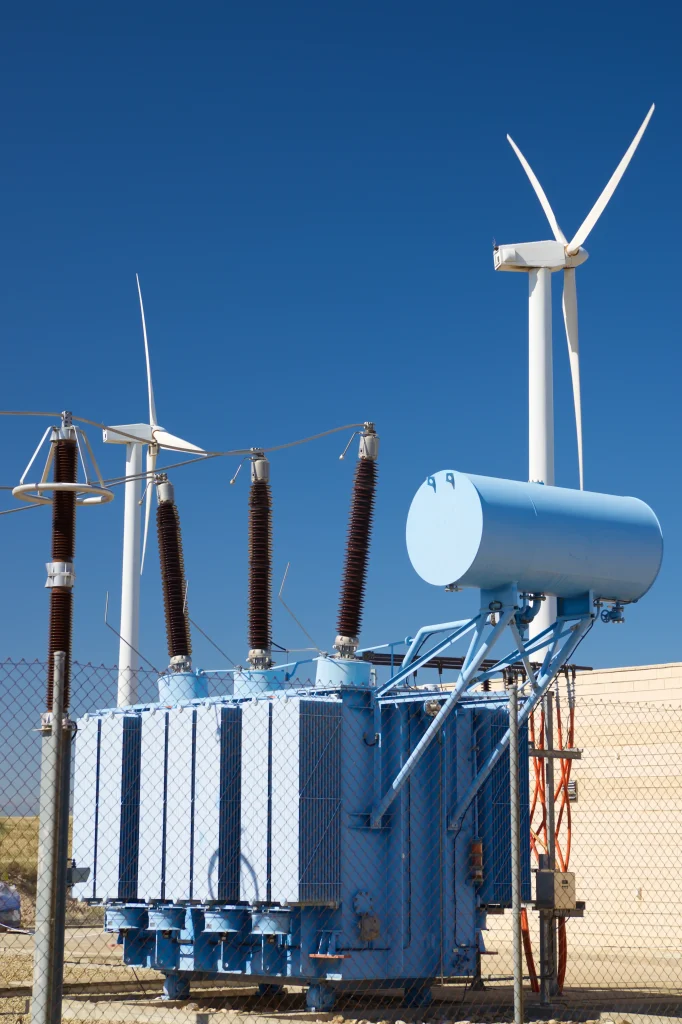
What is a distribution transformer is a common question in discussions about electrical infrastructure and energy systems. A distribution transformer is an electrical device designed to convert medium voltage electricity from distribution lines into lower voltage levels that can be safely used by residential, commercial, and light industrial consumers. This step-down transformation is essential because the voltage levels used for long-distance power transmission are far too high for everyday electrical equipment.
Distribution transformers function based on the principle of electromagnetic induction. When alternating current flows through the primary winding, it creates a magnetic field within the transformer core. This magnetic field then induces voltage in the secondary winding, producing a different voltage level suitable for local consumption.
These transformers are usually installed near the end users of electricity, which helps reduce power losses and maintain stable voltage levels. By placing transformers closer to consumption points, utilities can ensure that electrical energy is delivered efficiently across the distribution network.
Distribution transformers are widely used in residential neighborhoods, commercial buildings, factories, and public infrastructure systems. Their reliability and continuous operation make them fundamental components of modern electrical grids, ensuring that electricity generated at power plants can ultimately be used safely and effectively by consumers.
For reliable distribution transformer solutions and technical details, you can explore the products offered by Tek Transformatör.