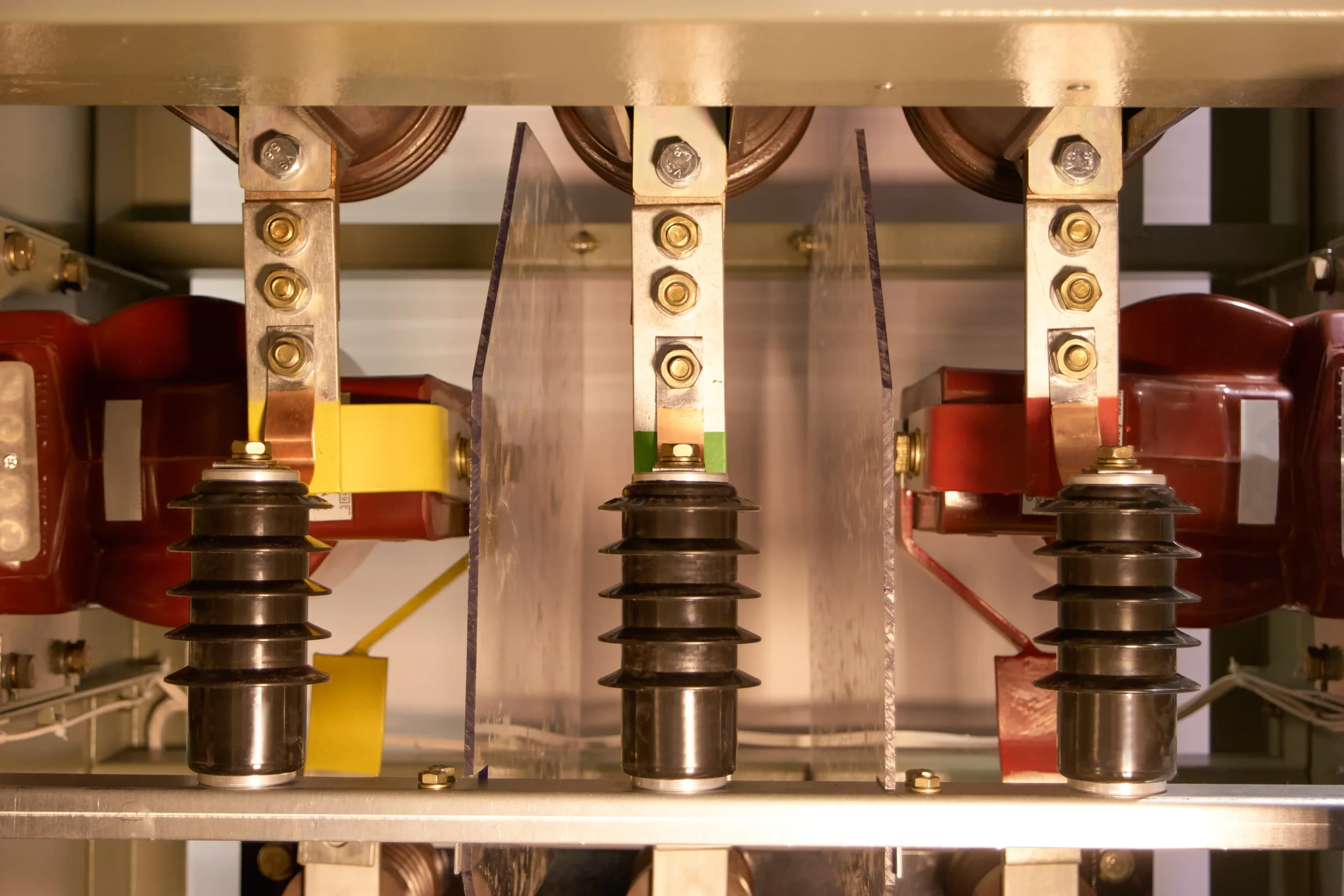

How do isolation transformers works by transferring electrical energy from one circuit to another without a direct electrical connection between them. Instead of a conductive path, the transformer uses electromagnetic induction between two separate windings called the primary and secondary coils. When alternating current flows through the primary winding, it creates a changing magnetic field in the transformer core. This magnetic field then induces a voltage in the secondary winding, allowing electrical energy to pass to the connected device while keeping the circuits electrically isolated.
How do isolation transformers works is closely related to the concept of galvanic isolation, meaning the input and output circuits have no direct conductive connection. Because the primary and secondary windings are separated by insulation and sometimes additional shielding, electrical faults, noise, or voltage spikes from the main power line are prevented from directly reaching the connected equipment. This design significantly improves safety and reduces interference in sensitive systems such as laboratory instruments, medical devices, and industrial electronics.
Isolation Transformers
Isolation transformers are electrical devices designed to transfer power between two circuits while keeping them electrically separated. This separation prevents a direct conductive connection between the input and output sides, which helps increase safety and improve system reliability. In many industrial and commercial applications, isolation transformers are used to protect sensitive equipment from electrical disturbances, ground loops, and unwanted voltage fluctuations.
By using electromagnetic induction, the transformer allows energy to move through magnetic coupling instead of direct wiring. This means the primary winding receives the electrical energy from the power source, while the secondary winding delivers that energy to the connected load without sharing the same electrical ground.
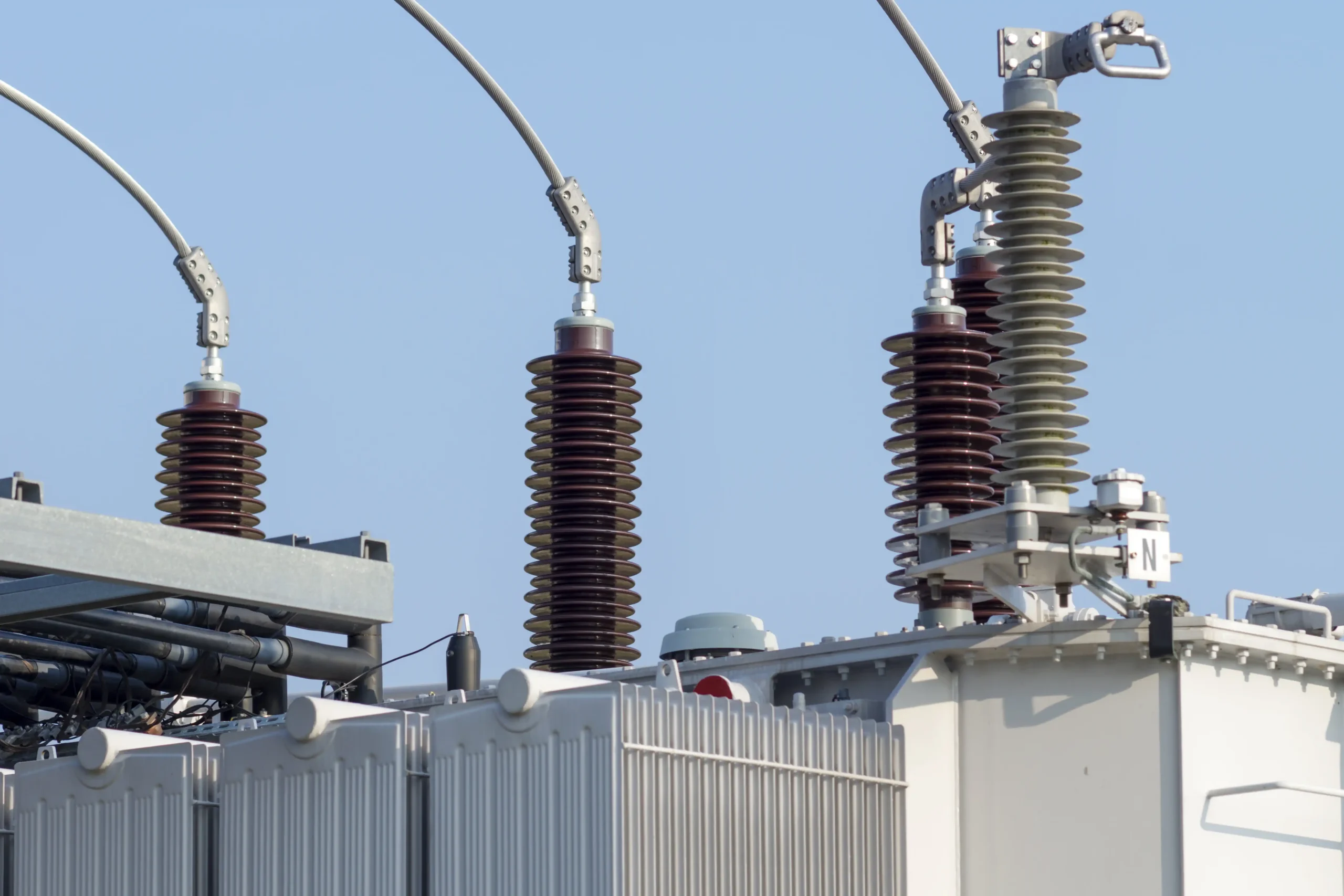
Isolation transformers are commonly preferred in systems where electrical protection, signal stability, and equipment longevity are important. Their benefits can be summarized as follows:
- Improved electrical safety: The electrical separation between circuits helps reduce the risk of electric shock and protects operators and equipment.
- Noise and interference reduction: Isolation helps minimize electrical noise, which is particularly valuable for sensitive electronic devices.
- Protection from voltage spikes: Sudden surges or disturbances from the main power supply are less likely to directly affect the connected equipment.
- Ground loop prevention: Electrical isolation prevents unwanted current paths that may occur between different grounding points.
- Support for sensitive equipment: Laboratories, medical systems, industrial control units, and measurement devices often rely on isolation transformers for stable operation.
Isolation Transformers Companies
Isolation transformers companies specialize in designing and manufacturing transformers that provide electrical separation between circuits while maintaining reliable power transfer. These companies typically focus on developing transformer solutions that enhance electrical safety, reduce interference, and protect sensitive equipment used in industrial, medical, and commercial environments. By combining engineering expertise with advanced production technologies, manufacturers are able to produce isolation transformers that meet different voltage levels, power capacities, and operational requirements.
Manufacturers operating in this field often offer a wide range of products suitable for various industries. Isolation transformers are commonly used in industrial automation systems, laboratory equipment, communication infrastructure, and medical facilities where stable and protected power supply is essential. Companies producing these transformers generally emphasize durability, high insulation quality, and efficient performance in their designs, ensuring that the transformers can operate safely even in demanding environments.
In addition to standard transformer models, many isolation transformer companies also provide customized solutions according to project requirements. Depending on the application, factors such as voltage rating, frequency compatibility, insulation class, cooling method, and enclosure design can be tailored to meet specific operational conditions. Through careful engineering and strict quality control processes, isolation transformer manufacturers aim to deliver reliable products that support both electrical safety and long-term system performance.
For detailed information about industrial transformer solutions, you can contact Tek Transformatör.