

Power transformer systems are essential components of modern electrical infrastructure, ensuring the efficient transmission and distribution of electricity across long distances. By stepping voltage levels up for transmission and down for safe consumption, these transformers enable stable energy flow from generation facilities to end users. Designed with advanced core materials, high-grade insulation systems, and precision engineering, power transformers provide reliability, durability, and consistent performance under varying load conditions.
Power transformer solutions support the backbone of national grids, industrial facilities, and renewable energy integration projects worldwide. From utility-scale substations to large manufacturing plants, these transformers play a critical role in voltage regulation, system protection, and operational continuity. Modern designs focus on energy efficiency, reduced losses, thermal stability, and long service life, meeting international technical standards and project-specific requirements. As energy demand continues to grow, high-quality power transformers remain fundamental to building resilient and sustainable electrical networks.
Transformer Power
Transformer power systems are fundamental to modern electrical infrastructure, ensuring safe voltage conversion, efficient energy transfer, and stable grid performance across industrial and utility applications. From generation plants to distribution endpoints, transformer power solutions regulate voltage levels to minimize transmission losses and protect downstream equipment. These systems are engineered with high-quality magnetic cores, advanced insulation materials, and optimized cooling technologies to maintain operational stability under continuous and peak load conditions.
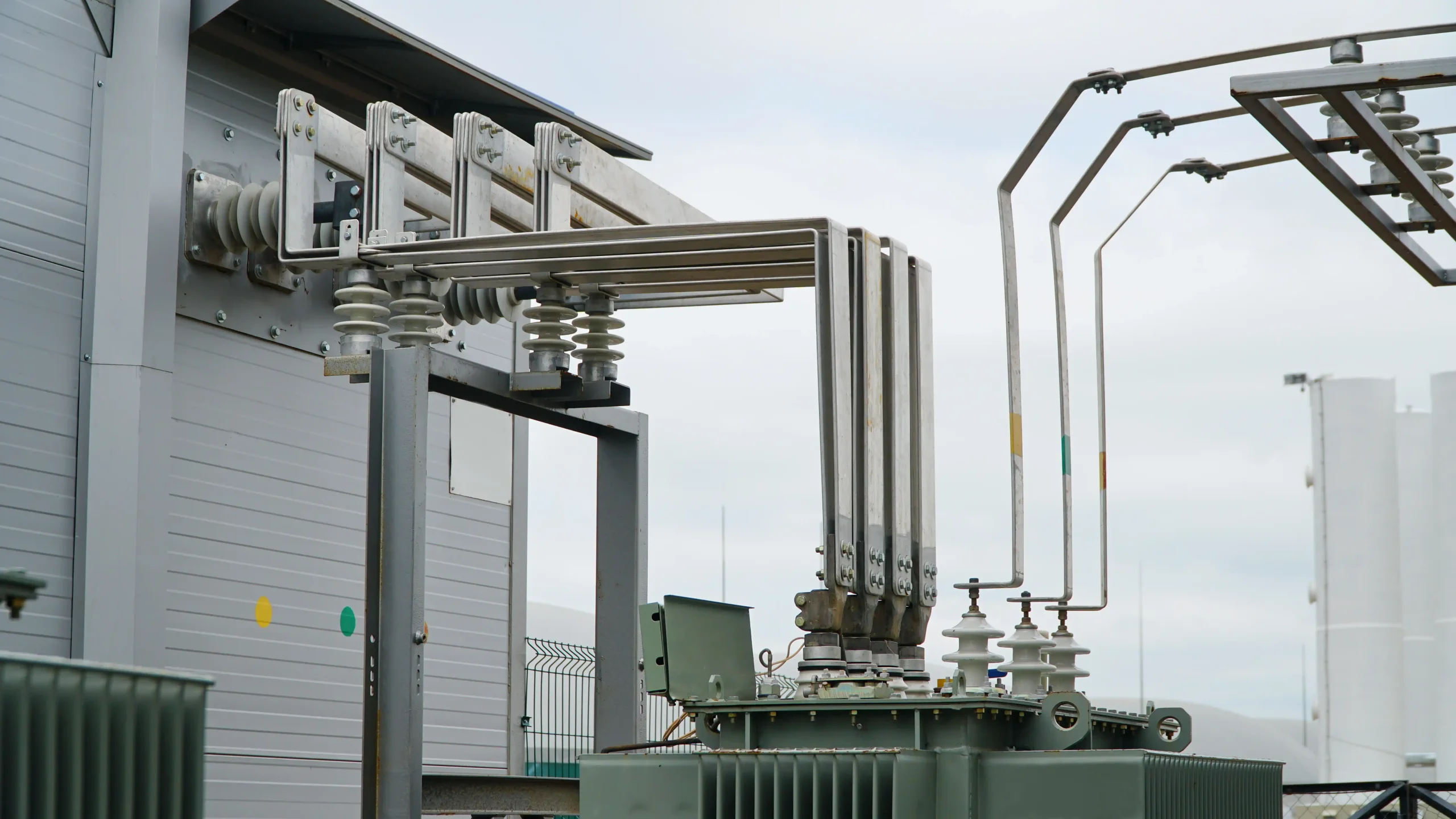
In distribution networks, the power pole transformer plays a vital role in delivering electricity from medium-voltage lines to residential and small commercial users. Mounted on utility poles, these compact yet robust units are designed for durability, weather resistance, and long service life. Key features typically include:
- Efficient voltage step-down from primary distribution lines
- Compact and lightweight structure for pole installation
- Sealed tank design to protect internal components
- High thermal performance for stable outdoor operation
- Compliance with international safety and efficiency standards
- Low maintenance requirements with extended service intervals
By integrating reliable transformer power solutions into grid infrastructure, utilities can ensure consistent energy delivery, reduced downtime, and improved system resilience.
In summary, transformer power technologies form the backbone of reliable electricity distribution, supporting both urban networks and remote installations with efficiency and long-term operational stability.
Control Power Transformer
Control power transformer units are specifically designed to provide stable, regulated, and isolated voltage for control circuits in industrial and automation systems. Unlike large-scale distribution transformers, these transformers operate at lower capacities and are optimized to provide consistent control voltage to sensitive equipment such as relays, contactors, timers, PLC systems, and motor starters. Their main purpose is to protect control components from voltage fluctuations, inrush currents, and short-circuit conditions.
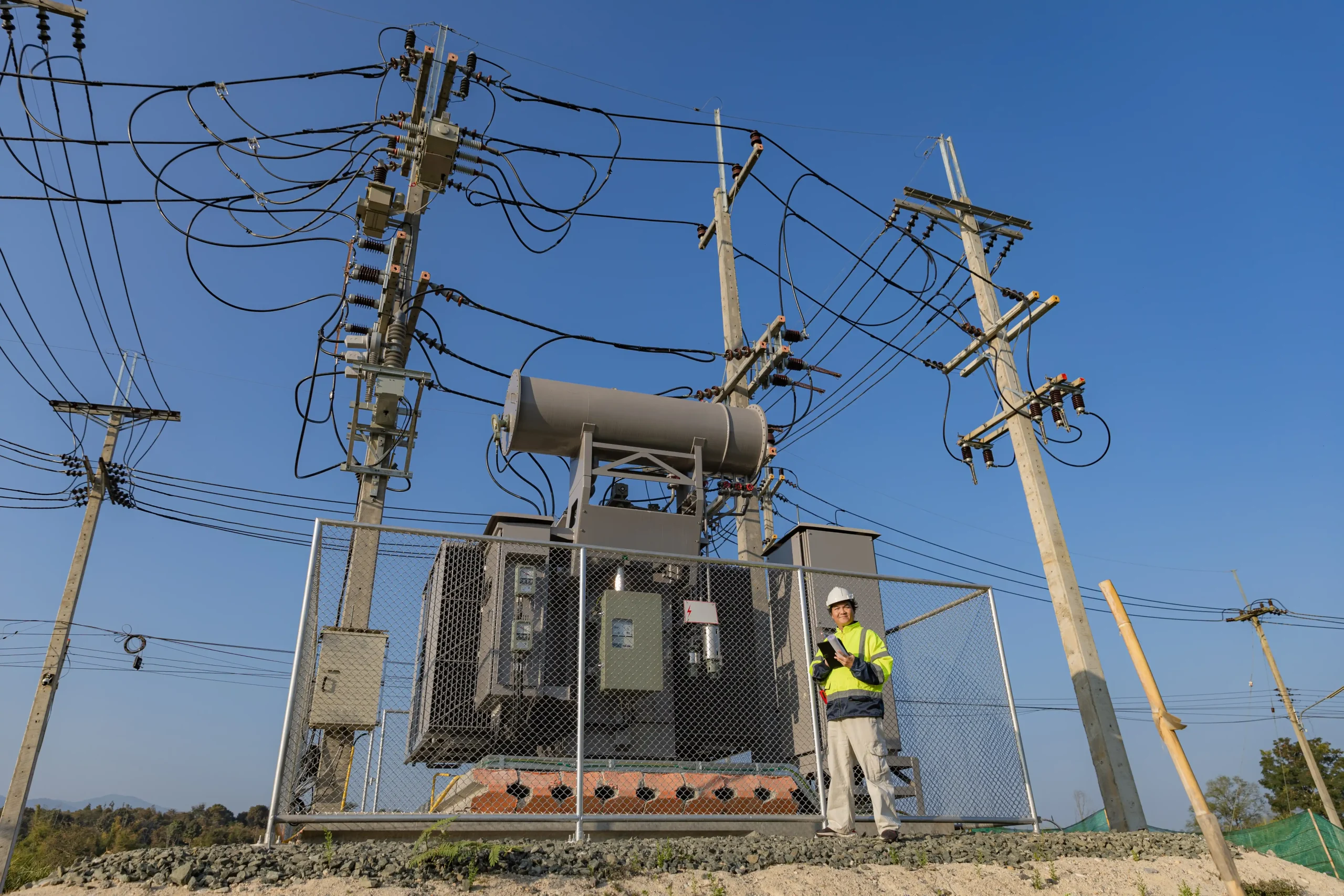
These transformers are designed with high magnetic permeability cores, precision copper windings, and reinforced insulation systems to ensure reliable performance in demanding industrial conditions. They act as a protective interface between the power source and low-voltage control circuits in control panels and switchgear. Key operational advantages include improved voltage regulation, electrical isolation for operator safety, reduced electrical noise, and enhanced short-circuit withstand capability.
Control power transformers are widely used in manufacturing plants, automation lines, HVAC systems, machine tools, elevator systems, and process control environments where operational continuity is critical. Their compact design allows for easy integration into electrical panels, while thermal stability and overload capacity ensure reliable long-term performance.