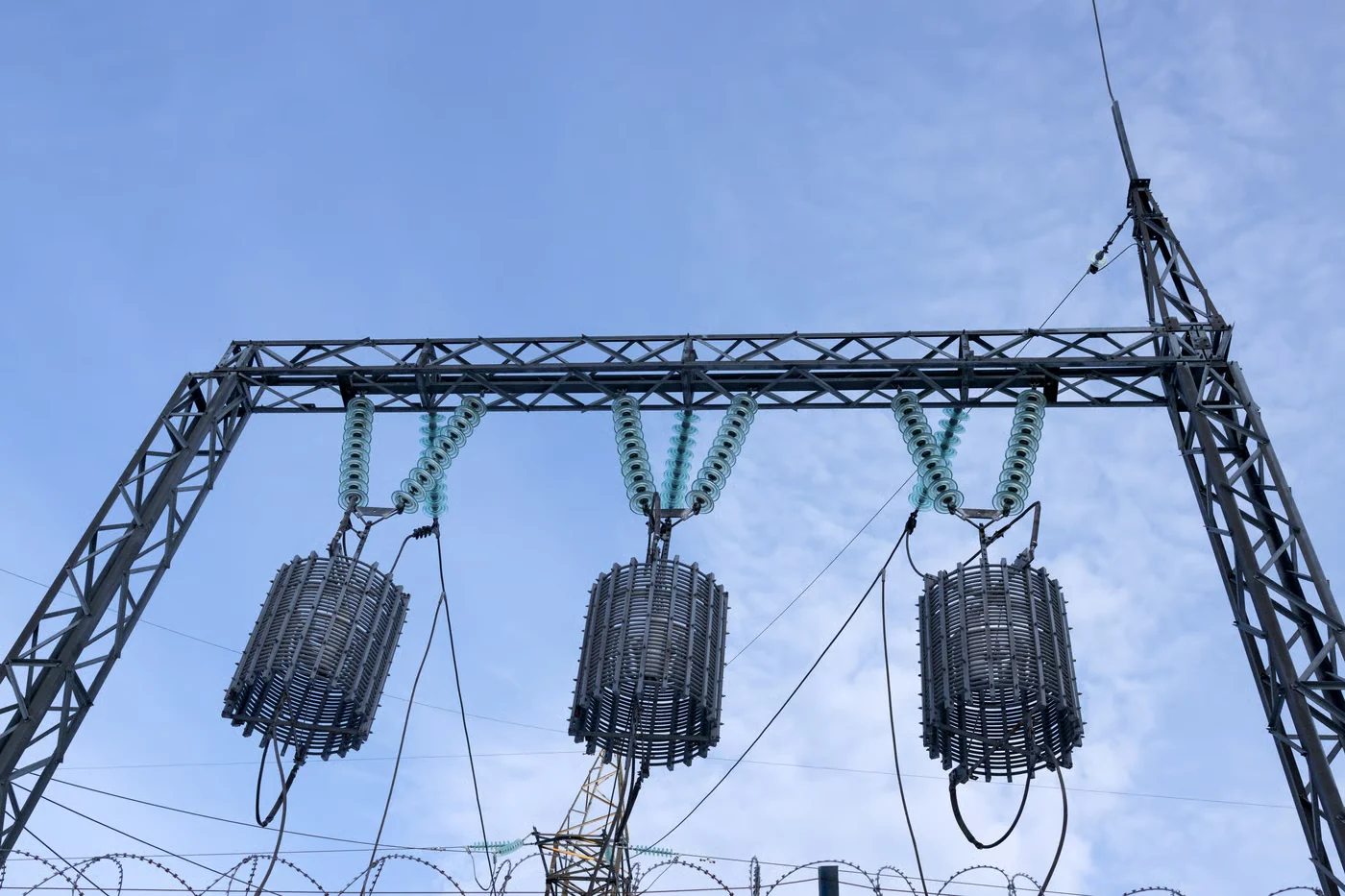

Transformer Losses
Transformer losses refer to the electrical energy lost during the operation of a transformer, primarily in the form of heat. These losses affect energy efficiency and operating costs. Understanding their causes is essential for evaluating transformer performance.
Transformer losses are generally divided into no-load losses and load losses, each occurring under different operating conditions. Factors such as core materials, winding resistance, and load levels influence the amount of energy lost. Identifying these factors helps businesses select suitable transformers, improve energy efficiency, and manage long-term operating expenses.
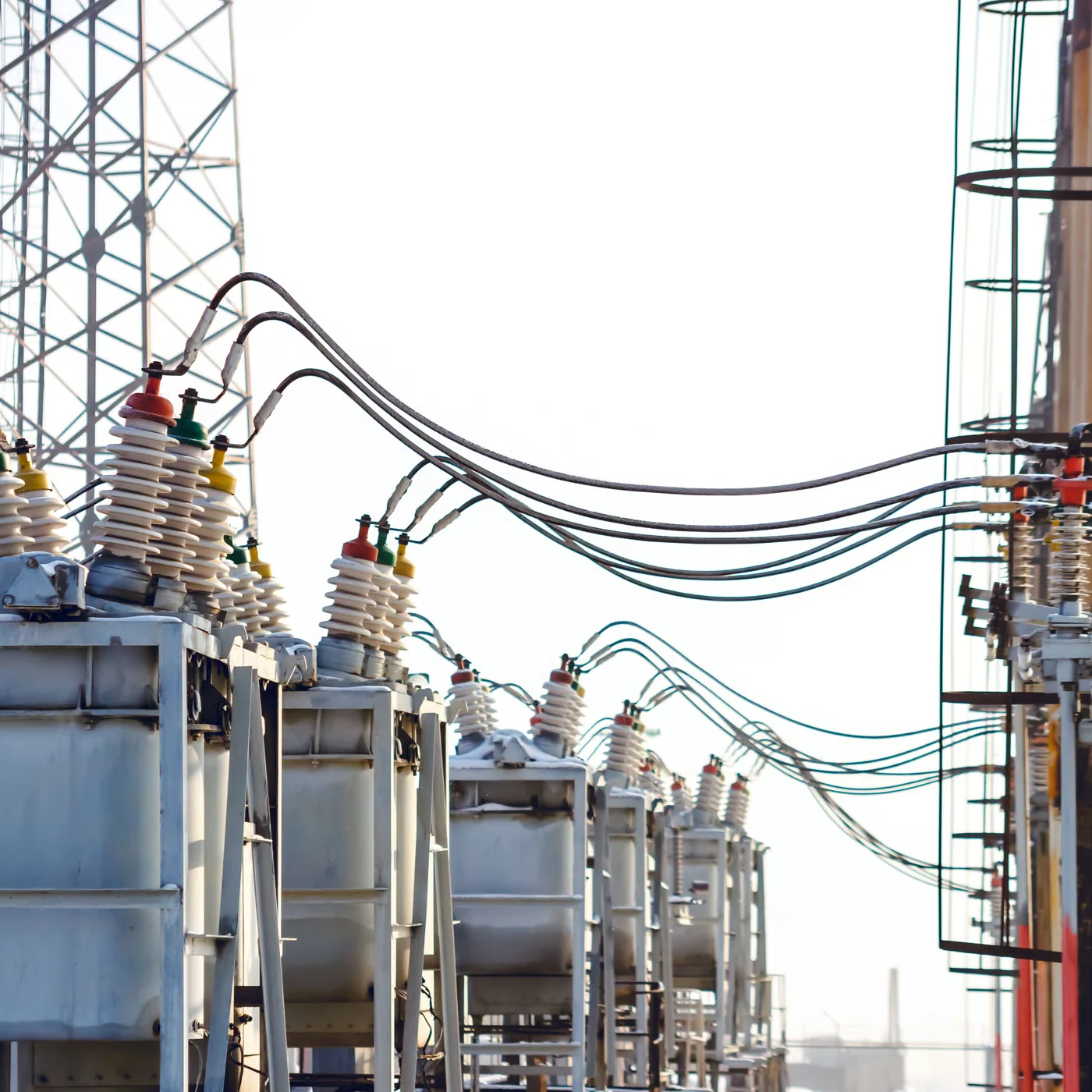
Losses in Transformer
Losses in transformer operation occur when part of the electrical energy is converted into heat rather than transferred to the output. The amount of energy lost depends on transformer design, material properties, and operating conditions. Understanding the different types of losses helps evaluate efficiency and identify opportunities to reduce energy consumption.
The main types of transformer losses include:
- Core losses: Occur in the magnetic core whenever the transformer is energized. They mainly consist of hysteresis and eddy current losses.
- Copper losses: Result from electrical resistance in the transformer windings. These losses increase as the load current rises.
- Stray losses: Develop when leakage magnetic flux induces currents in structural components and other conductive parts.
- Dielectric losses: Occur in insulation materials exposed to alternating electric fields.
Each type contributes differently to overall transformer performance. Core losses remain relatively stable when voltage and frequency are constant, while copper losses vary with the electrical load.
Reducing losses begins with appropriate transformer design and material selection. High-quality core materials can limit magnetic losses, while suitable winding configurations help manage electrical resistance. Selecting a transformer that matches the expected operating load also supports efficient energy use throughout its service life.
Copper Losses in Transformer
Copper losses in transformer operation occur due to electrical resistance in the primary and secondary windings. As current flows through these windings, part of the electrical energy is converted into heat. Unlike core losses, copper losses vary with the load current, making them an important consideration when evaluating transformer efficiency under different operating conditions.
Several factors influence the amount of copper loss:
- Winding resistance: Higher electrical resistance increases energy losses as current passes through the windings.
- Load current: Copper losses increase approximately with the square of the current. Higher electrical loads therefore generate greater losses.
- Winding temperature: As winding temperature rises, electrical resistance generally increases, contributing to additional energy losses.
- Conductor material: The electrical conductivity and dimensions of winding materials influence resistance and overall performance.
Copper losses can be evaluated through electrical measurements and appropriate transformer testing procedures. Short-circuit testing is commonly used to determine load losses, which include copper losses and additional stray losses.
Managing these losses requires suitable conductor dimensions, appropriate cooling arrangements, and careful consideration of expected operating loads. Regular performance monitoring can also help identify unusual temperature increases or operating conditions that may affect long-term transformer efficiency.
Transformer Core Losses
Transformer core losses occur in the magnetic core when a transformer is energized. These losses result from the continuously changing magnetic field produced by alternating current. Unlike copper losses, core losses are primarily influenced by the applied voltage, frequency, and magnetic properties of the core material. They occur even when the transformer operates without an electrical load.
Core losses are generally divided into two main categories:
| Type of Loss | Description |
|---|---|
| Hysteresis losses | Energy is consumed during repeated magnetization and demagnetization of the core material. |
| Eddy current losses | Circulating currents induced within the core generate heat and contribute to energy losses. |
The selection of core materials and manufacturing techniques directly influences these losses. Grain-oriented electrical steel is commonly used in transformer construction because its magnetic properties help reduce hysteresis losses. Thin, insulated steel laminations limit circulating currents and minimize eddy current losses.
Core losses can be evaluated through no-load testing, which measures the power consumed when the transformer is energized without supplying a load. The results provide valuable information about magnetic performance and energy consumption.
Reducing core losses is particularly important for transformers that remain energized for extended periods, as these losses contribute to electricity consumption throughout their operating life.
How to Reduce Transformer Losses
Reducing transformer losses requires a combination of appropriate equipment selection, efficient design, and proper operating practices. Since different types of losses have different causes, improving transformer efficiency involves evaluating both electrical and magnetic performance. The most suitable approach depends on operating conditions, energy requirements, and long-term efficiency goals.
Several methods can help minimize transformer losses:
- Select energy-efficient materials: High-quality magnetic core materials and suitable winding conductors help limit energy losses during operation.
- Optimize transformer capacity: Selecting an appropriate rated capacity based on expected load conditions helps maintain efficient operation and avoid unnecessary energy consumption.
- Maintain proper cooling: Effective cooling systems help control operating temperatures and limit increases in winding resistance.
- Monitor load conditions: Regular load monitoring helps identify overloading and operating patterns that contribute to excessive energy consumption.
- Perform regular maintenance: Periodic inspections and electrical testing help identify developing faults, connection problems, and abnormal operating conditions.
Transformer loss reduction should also be considered during the initial equipment selection process. Comparing manufacturer specifications, particularly no-load and load loss values, provides useful information about expected energy performance.
Evaluating these values alongside operating hours and anticipated load profiles helps estimate long-term energy consumption and select equipment that meets the requirements of a particular application.
Explore energy-efficient transformer solutions with Tek Transformatör to reduce energy losses and improve long-term operational efficiency.