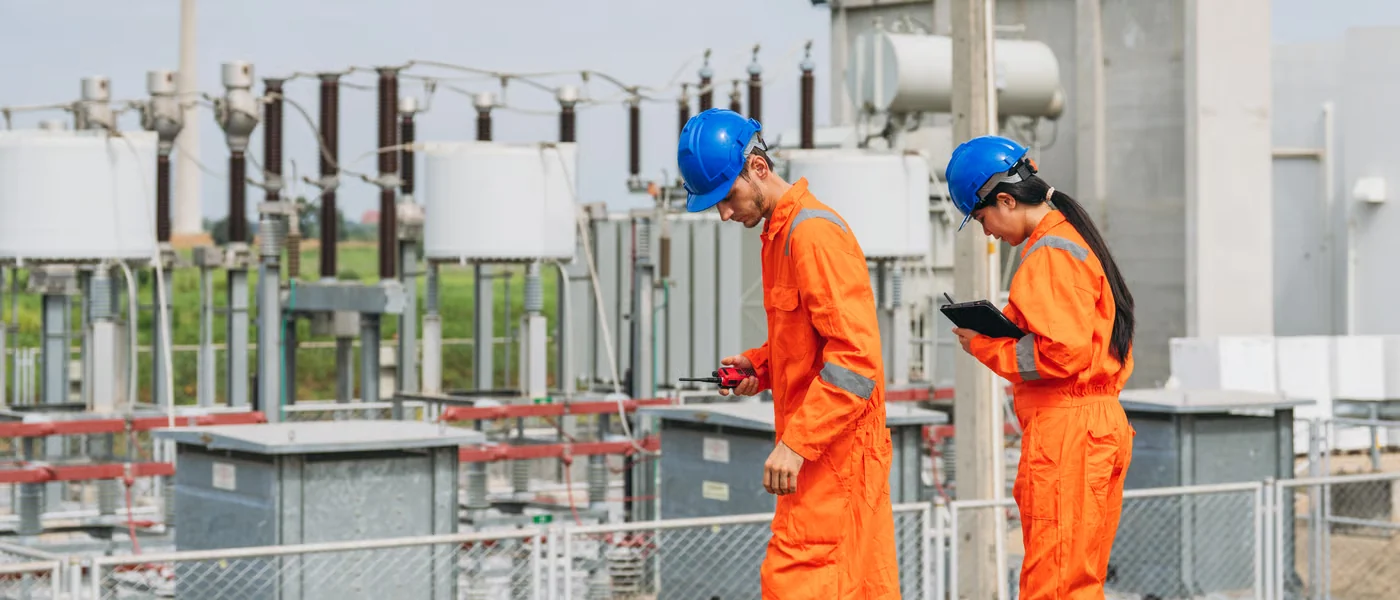

Transformer Maintenance
Transformer maintenance is a structured process used to keep transformers operating safely, efficiently, and reliably throughout their service life. Regular inspection and preventive maintenance can help identify issues such as overheating, insulation deterioration, abnormal noise, oil leakage, loose connections, or cooling problems before they develop into more serious faults.
Transformer maintenance also supports long-term equipment performance by combining routine visual checks with electrical testing, cleaning, thermal monitoring, and condition-based evaluations when required. The appropriate maintenance schedule depends on factors such as transformer type, load profile, installation environment, operating conditions, and system criticality. A well-planned maintenance program can reduce unexpected downtime, support safer operation, and help extend the usable life of transformer components.
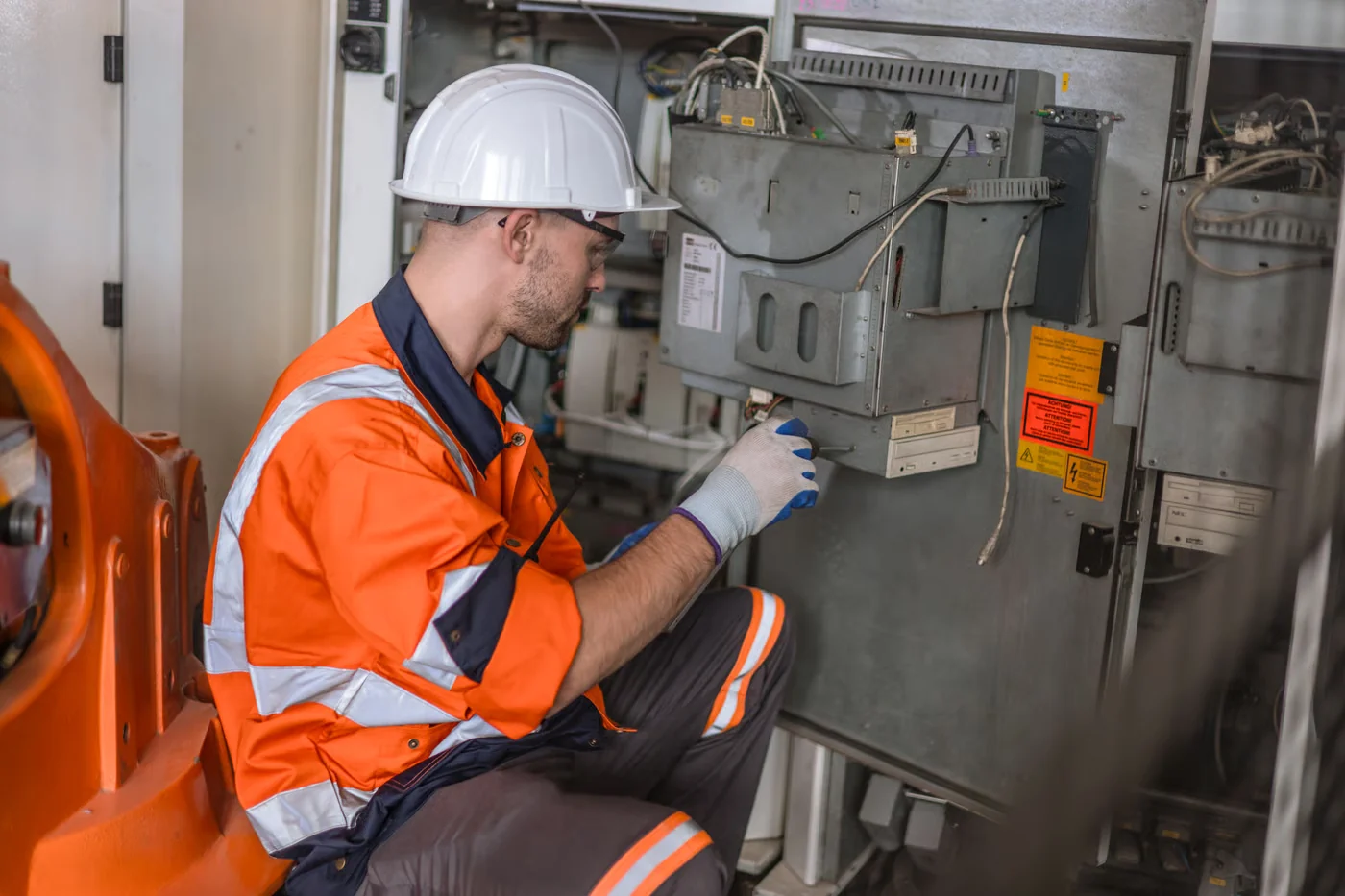
Transformer Maintenance Best Practices
Effective transformer maintenance should combine routine inspection, scheduled testing, condition monitoring, and accurate record keeping. Maintenance intervals should be planned according to transformer type, operating load, installation environment, service history, and manufacturer recommendations. Environmental factors such as humidity, dust, temperature variation, and ventilation conditions should also be considered when determining inspection frequency.
Key transformer maintenance best practices include:
- Inspect visible components: Check bushings, terminals, gaskets, enclosures, and connections for contamination, corrosion, overheating, damage, or leakage.
- Monitor operating conditions: Track load, voltage, and temperature values to detect unusual changes before they develop into larger problems.
- Maintain cooling systems: Keep ventilation paths, fans, and cooling surfaces clean to support effective heat dissipation.
- Perform electrical tests: Insulation resistance, winding resistance, and transformer turns ratio tests can help evaluate equipment condition.
- Check insulating oil when applicable: Oil testing can reveal contamination, insulation deterioration, or developing internal faults.
- Keep maintenance records: Document inspections, test results, repairs, and operating trends to support future maintenance decisions.
Consistent monitoring also makes it easier to identify gradual performance changes and schedule corrective action before reliability is affected.
Electrical Transformer Maintenance
Electrical transformer maintenance focuses on evaluating the electrical condition of the transformer and identifying changes that may indicate insulation problems, connection faults, winding issues, or abnormal operating conditions. The maintenance scope should be determined according to transformer design, voltage class, operating history, and manufacturer recommendations. Periodic electrical measurements also provide reference values that can be compared over time, making gradual deterioration easier to identify before it affects transformer reliability.
Typical electrical maintenance activities may include:
- Insulation resistance testing: Helps assess the condition of insulation between windings and ground.
- Winding resistance measurement: Can reveal connection problems, contact deterioration, or irregularities within windings.
- Transformer turns ratio testing: Confirms that the relationship between primary and secondary windings remains within expected limits.
- Grounding system checks: Verify the integrity of grounding connections and related protective components.
- Temperature and load monitoring: Unusual temperature increases or load patterns may indicate developing electrical or cooling problems.
- Connection inspection: Terminals and accessible connections should be checked for looseness, oxidation, or signs of overheating.
Electrical testing should be performed by qualified personnel using appropriate procedures and calibrated test equipment. Results should be documented consistently to support future maintenance planning and condition assessments.
Transformer Maintenance Checklist
A transformer maintenance checklist helps maintenance teams organize inspections, document findings, and reduce the risk of overlooking critical components. The checklist should be adapted to transformer type, operating conditions, installation environment, and manufacturer recommendations. A consistent structure also helps technicians compare inspection results across different maintenance periods and identify recurring issues more easily.
| Maintenance Area | What to Check |
|---|---|
| External condition | Enclosure, bushings, seals, and visible surfaces for damage, contamination, corrosion, or leakage |
| Electrical connections | Terminals, cable connections, grounding points, and signs of overheating or looseness |
| Cooling system | Fans, radiators, ventilation paths, and airflow conditions |
| Insulation system | Insulation resistance and other applicable diagnostic test results |
| Windings | Winding resistance and transformer turns ratio measurements where required |
| Insulating oil | Oil level, condition, and laboratory test results for liquid-filled transformers |
| Operating values | Load, voltage, temperature, and unusual variations during operation |
| Protection devices | Relays, alarms, indicators, and associated protective functions |
| Maintenance records | Previous test results, repairs, inspection notes, and identified trends |
Using the same checklist format during each maintenance cycle makes condition changes easier to compare over time and supports more systematic maintenance planning.
Power Transformer Maintenance
Power transformer maintenance focuses on preserving the reliability of transformers used in transmission, distribution, and industrial power systems. Because these units often operate continuously under significant electrical and thermal stress, maintenance should address both internal insulation condition and major auxiliary components.
Important maintenance areas include:
- Insulating oil condition: Oil level, moisture, dielectric properties, and dissolved gases should be evaluated where applicable.
- Bushings: Inspect for contamination, cracks, leakage, overheating, and abnormal electrical behavior.
- On-load tap changer: OLTC mechanisms, contacts, oil compartments, and operating performance require periodic inspection according to manufacturer guidance.
- Cooling equipment: Radiators, pumps, fans, and temperature controls should operate correctly to prevent excessive thermal stress.
- Protection systems: Relays, alarms, pressure devices, and temperature indicators should be checked for proper operation.
- Seals and gaskets: Visible oil leakage or deteriorated sealing components should be addressed before contamination or oil loss increases.
Condition trends from inspections and diagnostic tests should be recorded to support maintenance decisions and help identify developing faults before they affect transformer availability.
Explore Tek Transformatör solutions to find the right transformer for your application.