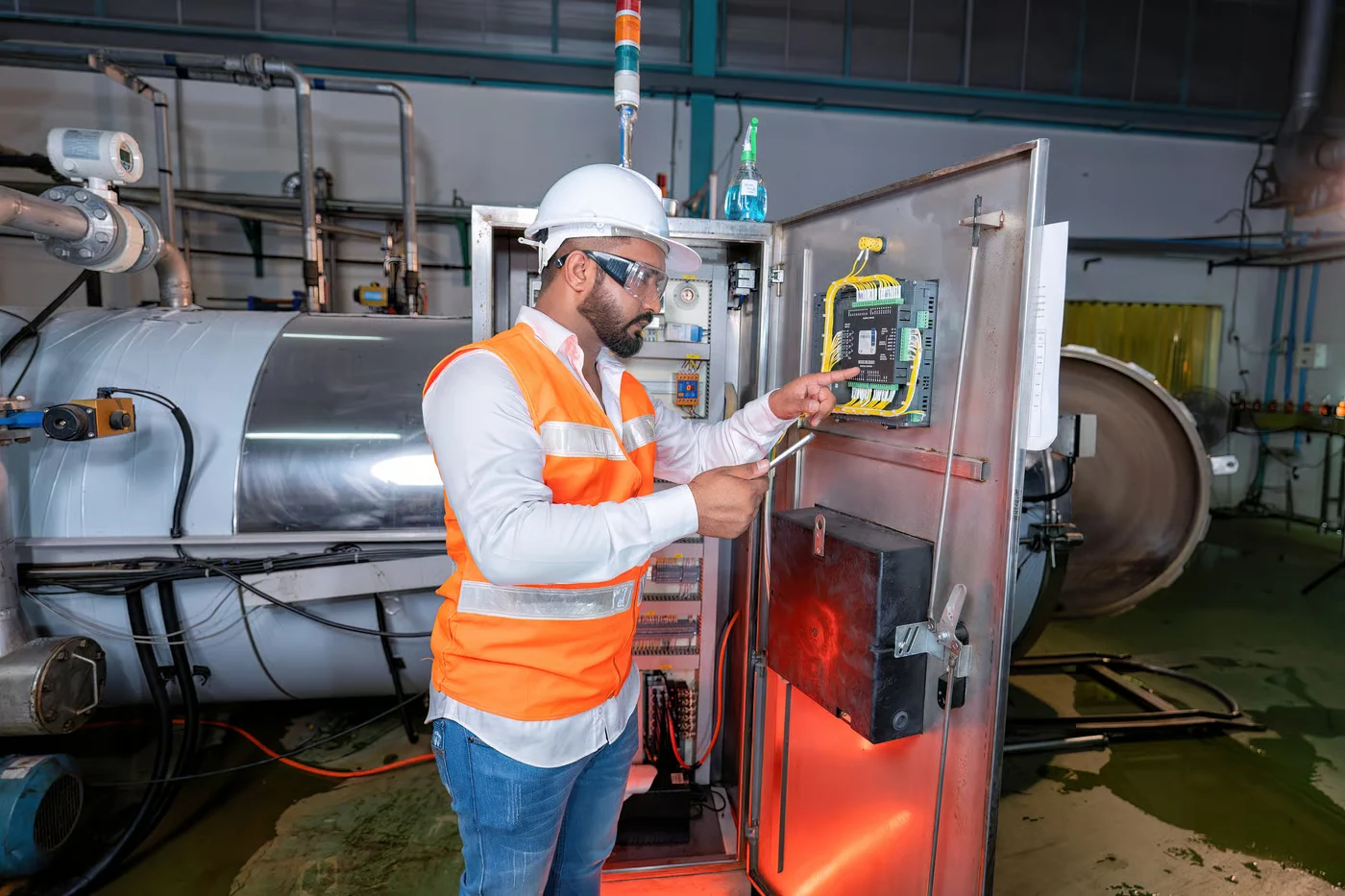

Transformer Oil Testing
Transformer oil testing is a diagnostic process used to evaluate the condition of insulating oil in electrical transformers. It helps identify changes in oil quality, detect potential equipment problems, and support maintenance planning. Regular testing contributes to transformer reliability and operational safety.
Transformer oil testing involves analyzing electrical, physical, and chemical properties to assess insulation performance and detect signs of deterioration. Common testing methods include dielectric breakdown voltage measurement, moisture analysis, dissolved gas analysis, and acidity testing. The selection of appropriate tests depends on the transformer’s operating conditions, maintenance history, and applicable testing standards.
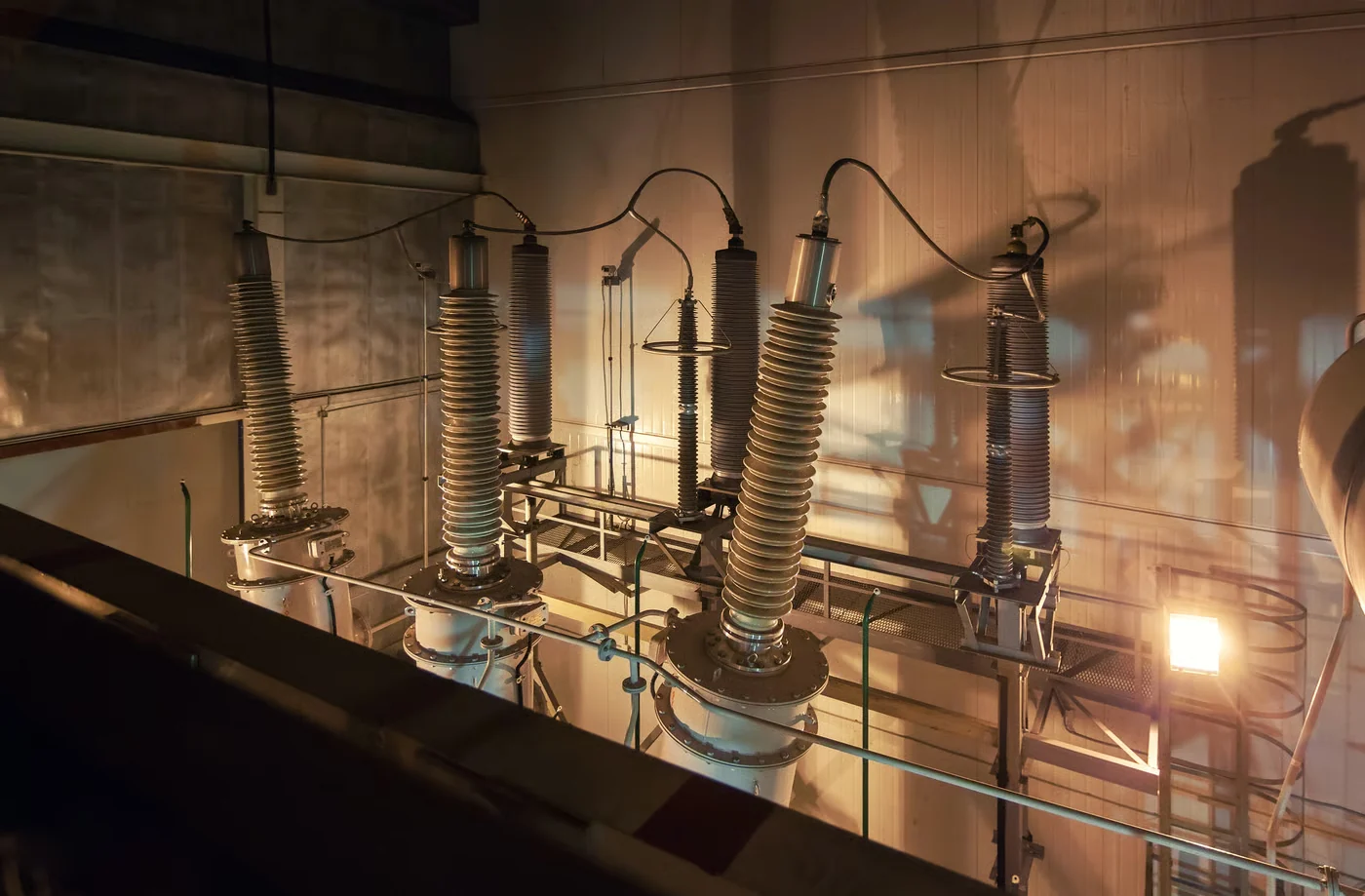
Transformer Oil Testing Standards
Transformer oil testing standards provide guidelines for evaluating oil quality and maintaining transformer performance. These standards help determine whether insulating oil is suitable for continued use or requires maintenance. Following recognized testing procedures also makes it easier to monitor changes in oil condition over time.
Different international standards address specific aspects of transformer oil testing. The most commonly referenced organizations and their areas of focus include:
- IEC Standards: Provide international guidelines for evaluating insulating oil quality, conducting tests, and supporting transformer maintenance.
- ASTM Standards: Define testing methods used to examine the physical, chemical, and electrical properties of transformer oil.
- IEEE Standards: Offer guidance on transformer condition assessment, oil monitoring, and the interpretation of selected test results.
Choosing appropriate standards depends on the transformer type, insulating oil, and maintenance requirements. Testing laboratories may apply different methods depending on equipment specifications and applicable regulations.
Regular testing based on recognized standards helps maintenance teams compare results, identify potential changes in oil quality, and plan necessary maintenance activities.
Transformer Oil Testing Procedure
The transformer oil testing procedure involves collecting an oil sample, examining its condition, and evaluating the results. Each stage must be carried out carefully to obtain reliable findings. Proper testing helps identify changes in oil quality and determine whether additional maintenance is necessary.
The procedure generally includes the following steps:
- Preparation: Review the transformer’s maintenance history and select the appropriate tests based on its operating conditions.
- Oil Sampling: Collect an oil sample using suitable equipment and procedures to prevent contamination.
- Laboratory Testing: Examine the sample to evaluate important properties, including moisture content, electrical insulation performance, and oil acidity.
- Result Evaluation: Compare the findings with applicable standards, previous test results, and equipment requirements.
- Maintenance Planning: Determine whether continued monitoring, further examination, or oil maintenance is required.
Following a consistent procedure helps reduce errors during sampling and testing. Test results should be documented and reviewed alongside previous measurements to identify developing changes. This approach supports timely maintenance decisions and contributes to the long-term reliability of transformer equipment.
Transformer Insulation Oil Testing
Transformer insulation oil testing evaluates the condition of the insulating oil used in electrical transformers. Insulating oil helps prevent electrical faults and supports heat transfer during transformer operation. Over time, operating conditions, moisture, and aging can affect its performance, making periodic testing an important part of equipment maintenance.
Several tests are used to assess different aspects of insulation oil quality:
| Testing Method | Purpose |
|---|---|
| Dielectric Strength Test | Evaluates the oil’s ability to withstand electrical stress. |
| Moisture Content Test | Measures the amount of water present in the oil. |
| Acidity Test | Identifies changes in oil condition associated with aging. |
| Dissolved Gas Analysis | Detects gases that may indicate developing internal faults. |
The selection of tests depends on the transformer’s condition, maintenance schedule, and operating requirements. Not every transformer requires the same combination of tests or testing frequency.
Laboratory findings provide valuable information about insulation oil condition. However, oil test results alone do not establish the overall condition of a transformer. They should be evaluated alongside equipment inspections, operating records, and other relevant diagnostic information to support maintenance decisions.
Transformer Oil Testing for System Reliability
Transformer oil testing supports electrical system reliability by helping identify potential problems before they affect equipment operation. Changes in oil condition can reduce insulation performance and indicate developing transformer faults. Regular monitoring provides valuable information for maintaining stable operation and reducing the risk of unexpected interruptions.
The following factors demonstrate how oil testing contributes to system reliability:
- Early Problem Detection: Identifies changes in oil condition that may indicate developing equipment problems.
- Reduced Downtime: Supports preventive maintenance planning and helps minimize unexpected operational interruptions.
- Equipment Protection: Provides information needed to address insulation-related problems before they lead to more serious damage.
- Maintenance Efficiency: Helps maintenance teams prioritize inspections and schedule necessary maintenance activities.
- Long-Term Performance: Supports consistent equipment monitoring and informed decisions throughout the transformer’s operating life.
The importance of oil testing becomes particularly evident in facilities where uninterrupted electricity is essential. Industrial plants, commercial buildings, and power distribution systems depend on reliable transformers to maintain daily operations.
Establishing a regular testing schedule based on equipment requirements and operating conditions supports effective maintenance planning. Combined with routine inspections and appropriate maintenance practices, oil testing contributes to reliable electrical system operation.
Explore reliable transformer solutions at Tek Transformatör and contact the company for detailed product information.