

Transformer power line is an electrical transmission infrastructure that carries high-voltage electricity between power generation facilities, substations, and distribution networks through transformers that regulate voltage levels for safe and efficient energy transfer.
Transformer power line systems are designed to support efficient power transmission by integrating transformers, conductors, switchgear, and protective equipment into a coordinated electrical network. Their performance directly influences energy efficiency, voltage stability, and grid reliability, making them an essential component of modern power infrastructure and renewable energy integration projects.
Power Line Transformer
A power line transformer is an essential electrical device that adjusts voltage levels to ensure the efficient transmission and distribution of electricity. By stepping voltage up for long-distance transmission and reducing it before distribution, it helps minimize energy losses while maintaining a stable and reliable power supply.
Power line transformers are widely used in substations, industrial facilities, utility grids, and renewable energy projects. Their reliable operation supports voltage regulation, protects electrical equipment, and contributes to the overall efficiency of power networks. Modern transformer designs also incorporate advanced insulation materials and cooling systems to improve performance and extend service life.
Key functions of a power line transformer include:
Stepping up voltage for long-distance transmission
Stepping down voltage for safe power distribution
Reducing transmission losses
Improving voltage stability and power quality
Supporting reliable grid performance
Selecting the right power line transformer depends on factors such as voltage rating, power capacity, installation conditions, and application requirements. As electrical infrastructure continues to evolve, these transformers remain indispensable for ensuring efficient energy transfer, supporting renewable energy integration, and maintaining the reliability of modern power transmission systems.
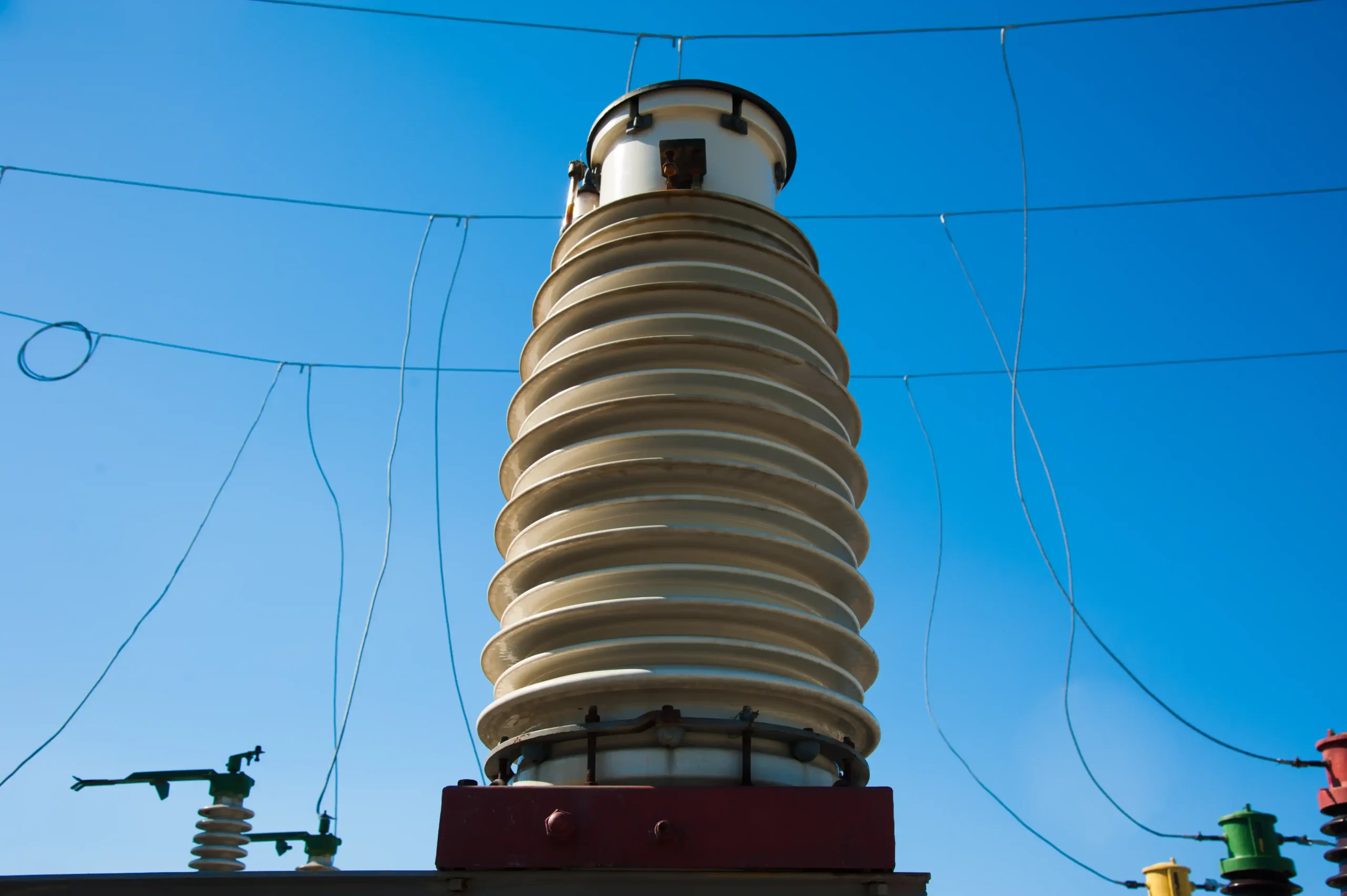
What Does a Transformer Do on a Power Line
A transformer on a power line regulates voltage to ensure electricity is transmitted efficiently and delivered safely throughout the power grid. It increases voltage for long-distance transmission to reduce energy losses, then lowers it to suitable levels before electricity reaches homes, commercial buildings, and industrial facilities.
Without transformers, power transmission would be inefficient and result in significant energy loss over long distances. They also help maintain voltage stability, improve power quality, and protect electrical equipment from harmful voltage fluctuations.
The primary functions of a transformer on a power line include:
Stepping up voltage for efficient long-distance transmission
Stepping down voltage for safe distribution to end users
Reducing transmission losses across the electrical network
Maintaining stable voltage levels under changing load conditions
Supporting the reliable operation of substations and distribution systems
Power line transformers are installed at generating stations, transmission substations, and distribution networks, where they continuously adapt voltage to meet system requirements. Their dependable performance is essential for ensuring grid reliability, improving energy efficiency, and supporting the integration of renewable energy sources into modern electrical infrastructure.
What is a Power Line Transformer?
A power line transformer is an electrical transformer that regulates voltage levels within transmission and distribution networks. It enables efficient electricity transfer by stepping voltage up for long-distance transmission and stepping it down before power reaches residential, commercial, and industrial users. These transformers are fundamental to maintaining grid stability, reducing transmission losses, and ensuring safe power delivery.
| Feature | Description |
|---|---|
| Primary Function | Adjusts voltage for efficient power transmission and distribution |
| Typical Installation | Transmission lines, substations, and distribution networks |
| Main Benefit | Reduces energy losses over long distances |
| Common Applications | Utility grids, industrial plants, renewable energy systems |
| Key Components | Core, windings, insulation system, cooling system, bushings |
Power line transformers are designed for continuous operation under demanding electrical and environmental conditions. Their advanced construction improves efficiency, enhances voltage regulation, and supports the reliable operation of modern power systems. As electrical networks continue to expand, these transformers remain essential for delivering stable and efficient electricity while supporting the integration of renewable energy sources.
Learn more about TEK Transformatör’s transformer solutions for reliable power transmission and distribution.