
What does a transformer do is a question that explains one of the basic functions of electrical power systems. A transformer changes voltage levels to make electricity suitable for transmission, distribution, or direct use. It can increase voltage for long-distance power transfer or reduce voltage for safer use in homes, commercial buildings, industrial facilities, and renewable energy systems.
What does a transformer do should also be considered according to the application area. In substations, solar power plants, wind turbine systems, BESS projects, and distribution networks, transformers help manage voltage, support energy efficiency, and improve system reliability. The right transformer type is selected based on power capacity, voltage level, load profile, installation conditions, and long-term operating requirements.
What Does a Step Down Transformer Do
A step down transformer reduces a higher voltage level to a lower and safer voltage level for use in electrical systems. This function is essential because electricity is often transmitted at high voltage to reduce energy losses over long distances. Before this electrical energy reaches buildings, factories, substations, or equipment, the voltage must be adjusted to a suitable operating level. A step down transformer performs this conversion without changing the frequency of the electrical supply.
Step down transformers are commonly used in distribution networks, industrial facilities, renewable energy plants, and local power systems. They help make electricity usable for machinery, lighting systems, control panels, commercial buildings, and residential areas. Their design may vary according to capacity, voltage ratings, cooling method, insulation type, and installation environment.
Main functions of a step down transformer include:
- Reducing high voltage to a usable voltage level
- Supporting safe electricity distribution
- Helping protect electrical equipment from unsuitable voltage
- Improving energy management in power systems
- Adapting electricity for industrial, commercial, and residential use
Choosing the right step down transformer depends on load demand, application area, technical standards, and long-term operating conditions.
What Does a Step Up Transformer Do
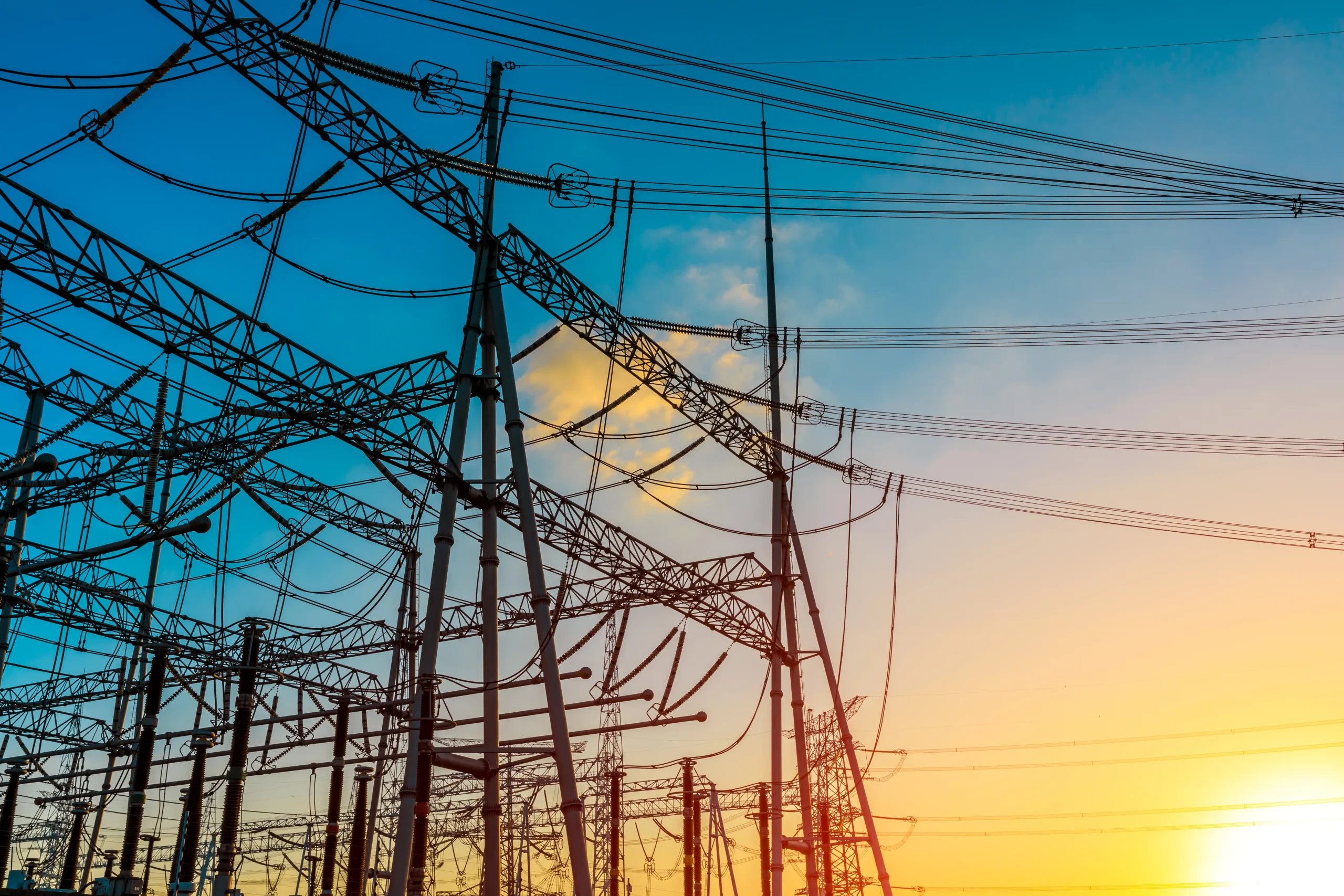
A step up transformer increases a lower voltage level to a higher voltage level for efficient electrical power transmission. This function is important because electricity generated at power plants, solar power plants, wind turbine systems, or industrial facilities often needs to travel over long distances. By increasing the voltage, a step up transformer helps reduce current flow and minimize energy losses during transmission.
Step up transformers are commonly used in generating stations, renewable energy plants, transmission networks, substations, and large-scale industrial power systems. Their main role is to prepare electrical energy for movement through high voltage power lines before it is later reduced by step down transformers for final use. The transformer design may vary according to voltage ratings, power capacity, insulation system, cooling method, grid requirements, and installation conditions.
Main functions of a step up transformer include:
- Increasing voltage for long-distance power transmission
- Reducing energy losses in transmission lines
- Supporting grid connection for power generation facilities
- Preparing electrical power for high voltage networks
- Improving efficiency in large-scale power systems
Choosing the right step up transformer depends on the power source, voltage level, load requirements, and project-specific technical standards.