

What is a dry type transformer? A dry type transformer uses solid insulation and air for cooling instead of liquid insulating oil. Its windings are commonly protected with cast resin, supporting reliable voltage conversion in locations where fire safety, environmental protection and low maintenance requirements are important.
What is a dry type transformer? It is commonly selected for indoor facilities, industrial plants, commercial buildings and infrastructure projects. The appropriate design depends on power capacity, voltage level, load profile, installation conditions and applicable standards. Its compact structure also allows installation closer to the point of consumption.
Dry Type vs Oil Type transformer
The main difference between dry type and oil type transformers is the insulation and cooling system. A dry transformer uses solid insulation and is generally air cooled, while an oil filled transformer uses insulating liquid for cooling and electrical insulation. The appropriate choice depends on installation conditions, capacity, load characteristics and voltage level.
Dry type transformers offer an advantage in indoor environments where fire safety and environmental protection are priorities. Since they do not contain flammable liquids, the risk of leakage is eliminated. This design also reduces the fire hazard associated with mineral oil. Dry units are commonly selected for commercial buildings, industrial facilities, hospitals and infrastructure projects operating at medium voltage levels.
| Comparison point | Dry type transformer | Oil type transformer |
| Cooling medium | Air and solid insulation | Insulating liquid |
| Installation | Commonly preferred indoors | Frequently used outdoors |
| Maintenance | Cleaning and inspection | Oil testing and monitoring |
| Capacity | Suitable for distribution applications | Often selected for higher capacities |
| Environmental factor | No oil leakage risk | Fluid containment may be required |
Oil type transformers are ideal for outdoor substations, renewable energy plants and industrial systems requiring efficient heat dissipation and continuous operation. The final choice should consider site conditions, ventilation, fire regulations, expected loading, maintenance planning and applicable standards.
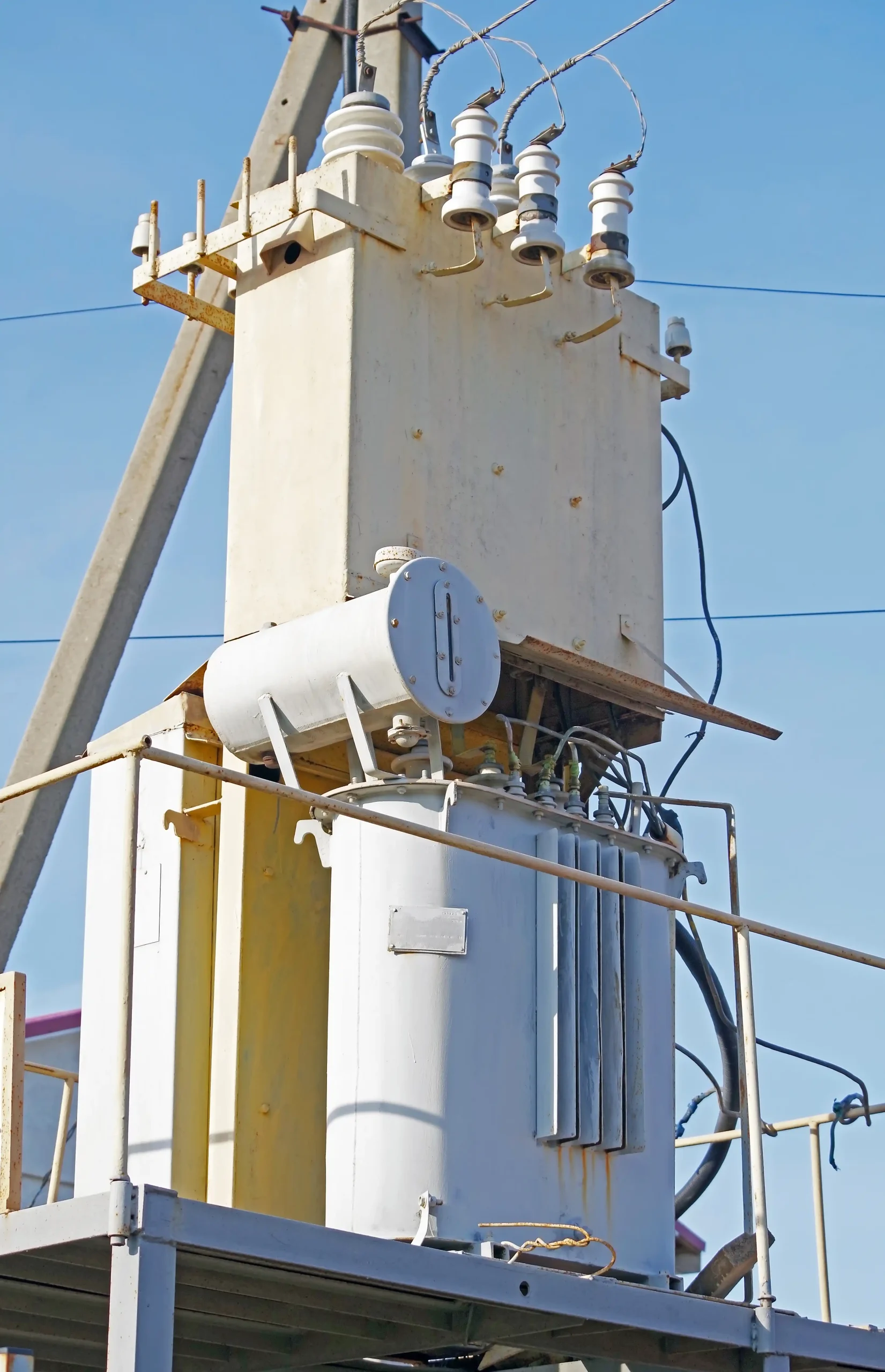
Advantages of Dry-type Transformers
A dry type transformer uses air and solid insulating materials instead of insulating liquid for cooling and electrical insulation. In cast-resin designs, the windings are encapsulated in epoxy resin, which protects them against moisture, dust and certain environmental effects. This structure makes dry-type units suitable for locations where installation safety and limited maintenance are key considerations.
One of their main advantages is the lower risk of fire associated with the absence of mineral oil. They also eliminate the possibility of oil leakage, reducing the need for liquid containment systems. For this reason, dry-type transformers are ideal for indoor applications such as commercial buildings, hospitals, data centers, industrial facilities and infrastructure projects.
Their main advantages include:
- No insulating oil or oil leakage risk
- Simplified inspection and cleaning procedures
- Installation closer to the point of consumption
- Reduced requirements for oil containment systems
- Reliable operation in suitable indoor environments
Dry-type units are often described as environmentally friendly because they do not contain insulating oil and present no oil leakage risk. Their comparatively simple servicing requirements may also reduce routine maintenance costs. However, transformer selection should still consider load profile, ventilation, ambient conditions, power rating and applicable technical standards.
Contact TEK Transformatör to determine the dry-type transformer design suited to your project’s capacity, voltage level and installation conditions.