

What is a power transformer? Is a common question in electrical engineering and energy infrastructure discussions. A power transformer is a large electrical device used to transfer electrical energy between circuits by means of electromagnetic induction. Its primary function is to increase or decrease voltage levels in high-capacity electrical networks, allowing electricity to be transmitted efficiently over long distances. By stepping up the voltage at power generation plants and stepping it down at substations, power transformers help minimize transmission losses and support the stable distribution of electricity.
What is a power transformer? Also relates to the role these devices play in maintaining reliable power systems for cities, industries, and infrastructure. Power transformers are typically installed in transmission networks and large substations where high voltage and significant electrical loads are involved. They are designed with robust insulation systems, high-capacity windings, and advanced cooling mechanisms to operate continuously under demanding conditions. Thanks to their efficiency and durability, power transformers remain essential components of modern electrical grids and large-scale energy systems.
Some key functions of power transformers include:
- Voltage Conversion: Adjusting voltage levels for efficient electricity transmission.
- Energy Transfer: Moving electrical energy between circuits through electromagnetic induction.
- Grid Stability: Supporting balanced and stable operation of power networks.
- High Capacity Use: Operating in power plants, substations, and large industrial systems.
What is Inside a Power Pole Transformer?
A power pole transformer contains several key components that work together to convert high distribution voltage into a lower voltage suitable for residential or commercial use. These transformers are typically mounted on utility poles and play an important role in local electricity distribution networks. Electricity carried through overhead lines enters the transformer at a higher voltage level and is safely reduced before being delivered to nearby buildings and infrastructure.
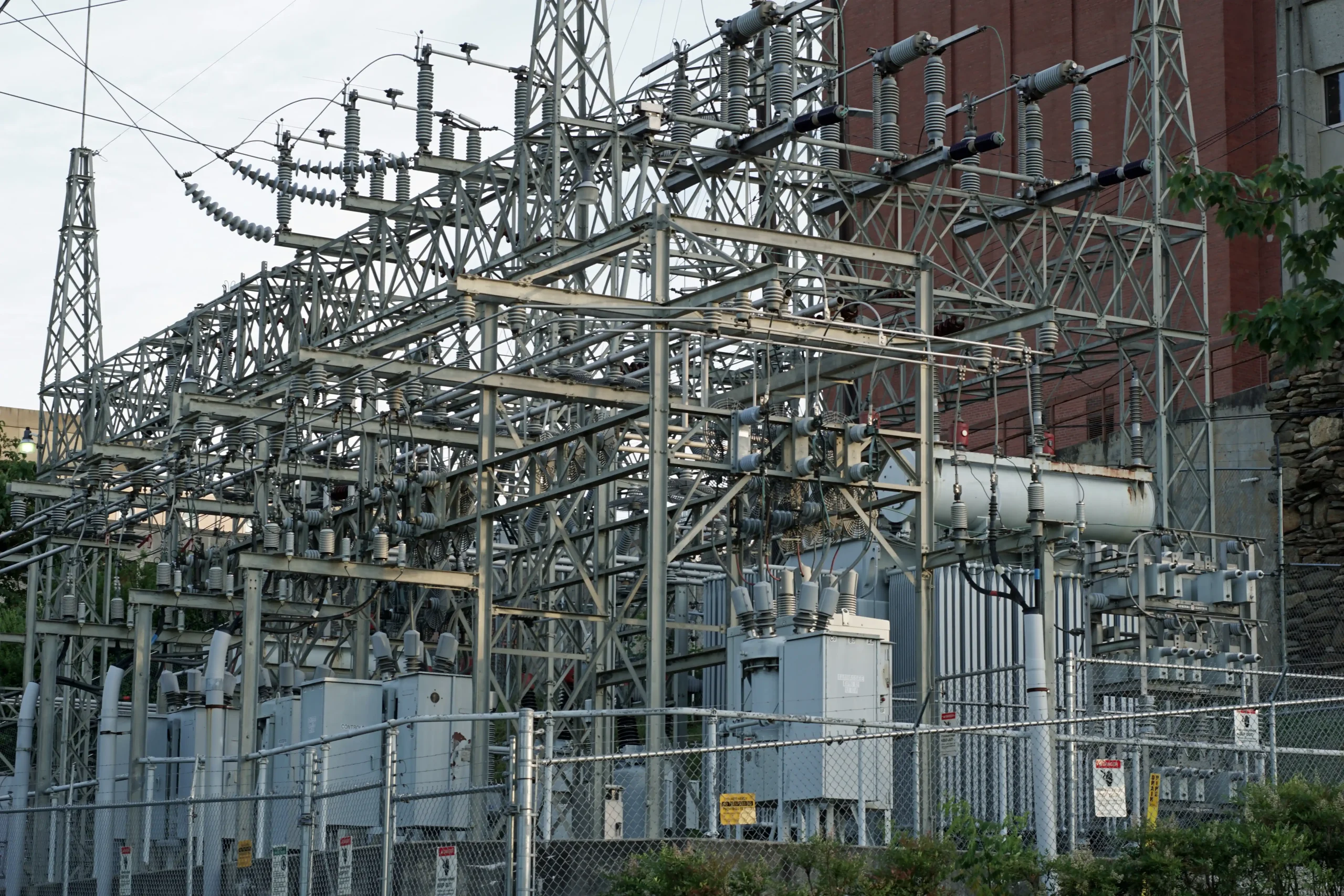
Inside a pole-mounted transformer, the internal structure is carefully designed to ensure reliable electrical performance and long service life. The most important components commonly found inside a power pole transformer include:
- Core: Usually made of laminated steel sheets, the core provides a magnetic path that allows energy transfer between windings through electromagnetic induction.
- Primary and Secondary Windings: These copper or aluminum coils transfer electrical energy. The primary winding receives high voltage from the distribution line, while the secondary winding delivers lower voltage to end users.
- Insulation System: High-quality insulation materials protect the windings and internal parts from electrical faults and overheating.
- Transformer Oil: In many pole transformers, insulating oil is used to cool internal components and provide electrical insulation.
- Tank and Bushings: The sealed metal tank houses the internal parts and oil, while bushings provide insulated entry points for electrical connections.
Together, these components enable pole transformers to operate safely under varying electrical loads. Their compact design and durable construction allow them to remain in service for many years while continuously supplying stable voltage to homes, businesses, and small industrial facilities.
You can explore transformer solutions developed by Tek Transformatör for modern power systems.